Nature says your welcome – Skin Itches and Irritations

There is a lot of Yin and Yang in nature, especially it seems where plants are concerned. One plant gives you a belly ache if you eat it, the other helps sooth your belly ache. One mushroom can kill you; another can heal you. One plant gives you skin irritation, another soothes and cures it. Nature can be cruel, but also very, very kind. Finding and working with this balance is a worthy endeavor that we seemed to have lost. Sadly, we now almost solely rely on pills for our ills. The good news is we can change that! In the next series of blogs, I will cover some commonly found plants and talk about how we can use them for what ails us. We will start with something that most folks experience plenty in the good Ol’ summertime…bug bites, stings and skin rashes. At the end of the blog is the recipe for my ‘Itch Re-Leaf Tincture’.
SKIN IRRITATION
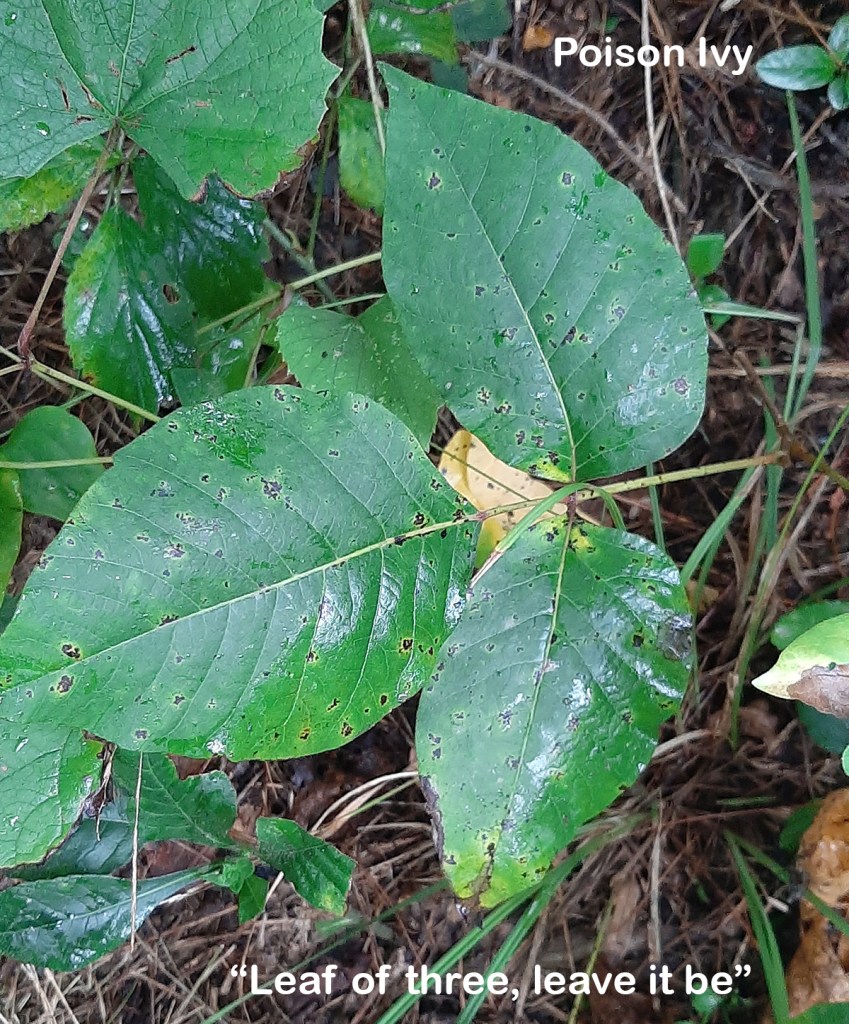
Skin irritation can come in many forms including, spider bites, chigger bites, bee stings, poison ivy, embedded prickers and even scratches from that last blackberry picking forage. The first step with all of these things is PREVENTION.
PREVENTION
If you know what to look for, and how to react, you can avoid many of these irritants. If you know you are going to be foraging through dark places, like wood piles, or heavy overgrowth where bugs, spiders and poison ivy may be lurking…
- Glove up, cover up and put a bug deterrent on your skin. There are some great holistic ones out there, I do not recommend over the counter, heavy Deet laden products….bug bite or…. CANCER….hmmm, I will take my chances with a bug bite
- Be able to identify plants that you want to avoid, like poison ivy, poison sumac or poison Oak.
- Try to understand where things like hornets, spiders, etc like to dwell, so you can avoid such places.
- Always be aware of your surroundings. For example, If you see or hear a lot of bees buzzing, remove yourself immediately.
- Look before you step or grab!
- Always shower soon after a forage, so you can quickly remove any ticks, treat any bites or wash off most of the oils in the Poison Ivy before it takes hold.
CURLY DOCK
We are going to concentrate on three different ‘weeds’ that are pretty easy to find in most areas. Curly Dock, Plantain and Jewel Weed. Let’s start with Curly Dock. Curly Dock has large leaves with a slight wave or curl on the edges of the leaves. The leaves are pretty big with a heavy feel that reminds me of collard greens. The large leaves fan out close to the ground.
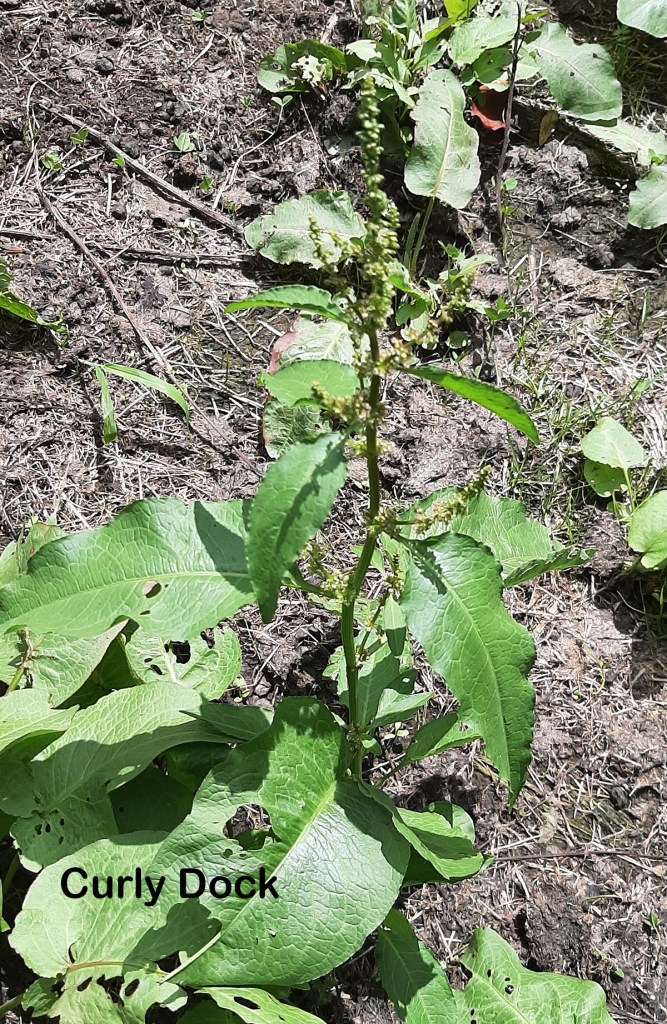
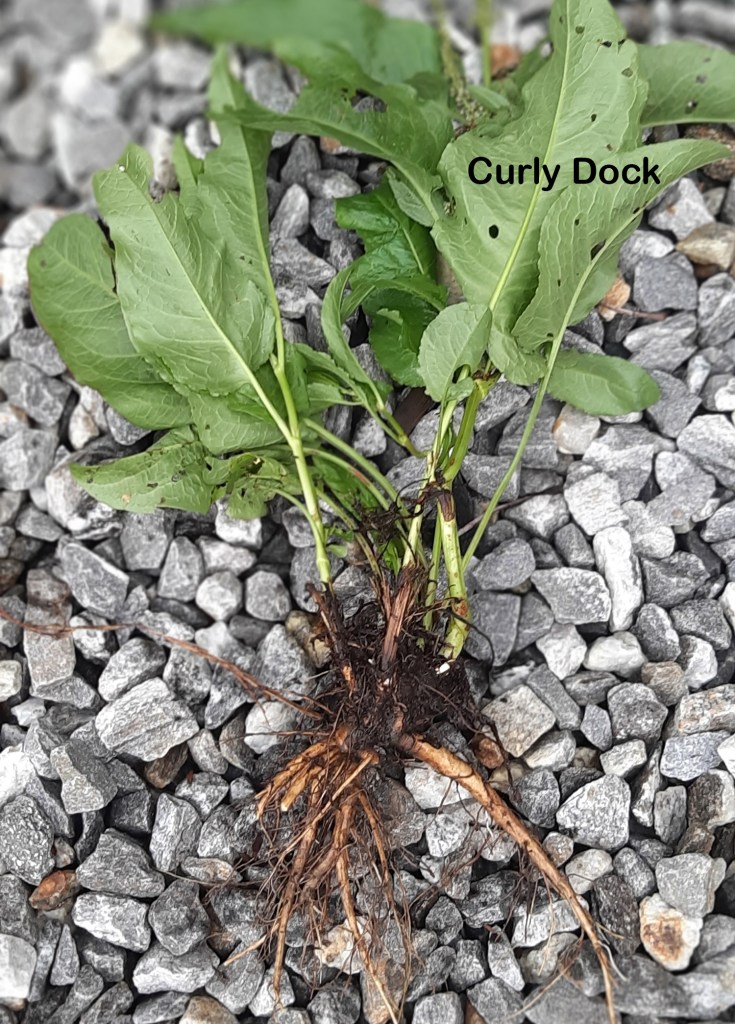
When it flowers it sends a tall spike up through the center, with flowers and seeds dangling off the top. These grow like mad in our pastures and in my garden. Their roots are fairly deep with several good sized spikes that go both straight down and off to the side making it a challenge to uproot.
Curly Dock has anti-fungal properties and helps sooth the pain from bee stings and bug bites. You can make a poultice to place over the sting or irritated skin. A poultice made from the leaves will help neutralize fire aunt stings. (Poultice = mushed up or chewed up leaves or roots). The more you crush the more you will extract the oils and the more effective your poultice will be. Leave the poultice on the irritation for about 30 minutes, applying with a band-aid, or piece of cotton wrap to hold it in place. Replace the poultice with fresh as needed.
Using the roots to make a poultice – The Native Americans used curly dock for a number of medicinal purposes. A poultice of mashed roots was applied to cuts, sores, and used to alleviate itching and rheumatism. You can also make the tincture recipe near the bottom of this page, using both the roots and leaves, so you always have some on hand or in your doc kit.
While our main discussion today is on skin irritants, it is interesting to know that curly dock has been used for other medicinal purposes since BC. A poultice from the roots has been used for iron-deficiency anemia, blood purifying and liver decongestant. A tea from the roots remedies constipation, upset stomachs and abdominal cramps. The seeds of curly dock were once roasted and used as a coffee substitute. Curly Dock is editable and is a great source of vitamin A and fiber. The leaves, stalk, and the seeds are all edible. The leaves can be eaten raw in salads (wash well first, as the young leaves sport a chemical that may numb your tongue). Also, great sautéed or used in a soup.

JEWEL WEED
This plant likes to grow in open areas, especially near water. We have a patch of it that grows in one of our pastures near a little stream. It has come back there every year for as long as I can recall (Jewel weed is an annual). They sometimes refer to this weed as “touch-me-not” because when you touch the seed pods, they ‘explode’ spreading the seeds all about. The stems have a slimy gel like substance in them that is used medicinally as an antifungal and antimicrobial healing aid for poison ivy, bug bits (including chiggers), fire aunt bites, dermatitis, bee stings and can even help heal minor burns, joint pain, inflammation from bruises, and even athlete’s foot.
One should always test a small area before applying this gel on the skin, as some folks respond with a slight burning sensation. A sure way to identify Jewel weed if it is not flowering yet is to take a leaf and dip it under water. The tiny hairs on the leaf collect air bubbles making the leaf appear as if you put silver foil on it. Also, parts of the stems have a ruby color to them. To prepare Jewel Weed for use, you can make a simple poultice for immediate use by crushing the stems and leaves, or you can add it to my Itch ‘Re-leaf’ Tincture (recipe below). Some folks make a salve out of it, but there are arguments as to whether you lose the potency due to the heat required to make a salve. I use the tincture and always have dried or powdered leaves on hand to make a restock of the tincture anytime needed.

You can also use the leaves as a bath soak if you really got yourself into a patch of poison ivy, or sumac. I like to use dried leaves for this and let them rehydrate as I soak in the tub with them. You can also use my ‘Itch Re-Leaf Tincture’ as a bug bite preventative. Its not pretty going on, but it works. Jewel weed is also editable. You can eat all parts of the plant above ground (not roots). It is recommended that you boil the leaves before eating as they contain a compound that may not sit well with you. Boiling the leaves or stems first, removes this compound.

PLANTAIN
Last but not least, we have Plantain. Plantain can grow just about anywhere. It likes full sun to partial shade and will grow in sidewalk cracks, gravel driveways and even in hard, well tread ground. You usually don’t have to look far before you find a patch of Plantain. The Native Americans referred to this weed as ‘white man’s footprint’ because the seeds would spread when stuck to their shoes, wagon wheels or horse hooves as the settlers headed west.
Plantain has an immediate cooling effect when applied to the skin. A fresh Plantain poultice applied to a burn, rash or sting helps pull out the heat as it also heals, giving an immediate feeling of relief. Plantain has been known to even counteract the venom of spider bites. It has the ability to ‘draw’ things out, making it perfect for treating splinters and boils. It is also antimicrobial, helping to prevent infections in wounds.
Plantain, like the other two weeds we discussed is not only editable but great for many things that may ail you. The leaves can be dried and made into a tea, that not only can be used to sooth a hacking cough, it can also be used to heal the mucous membranes of the digestive tract. Helping to heal and sooth inflammatory bowel diseases, leaky gut and even ulcers. The tea may also help with canker sores and acid reflux. The seeds of the plantain are high in fiber and can help keep you ‘regular’ as we like to say. It is also said that if you eat a few seeds every day, it helps keep the mosquitoes away. I have not tried this one yet.
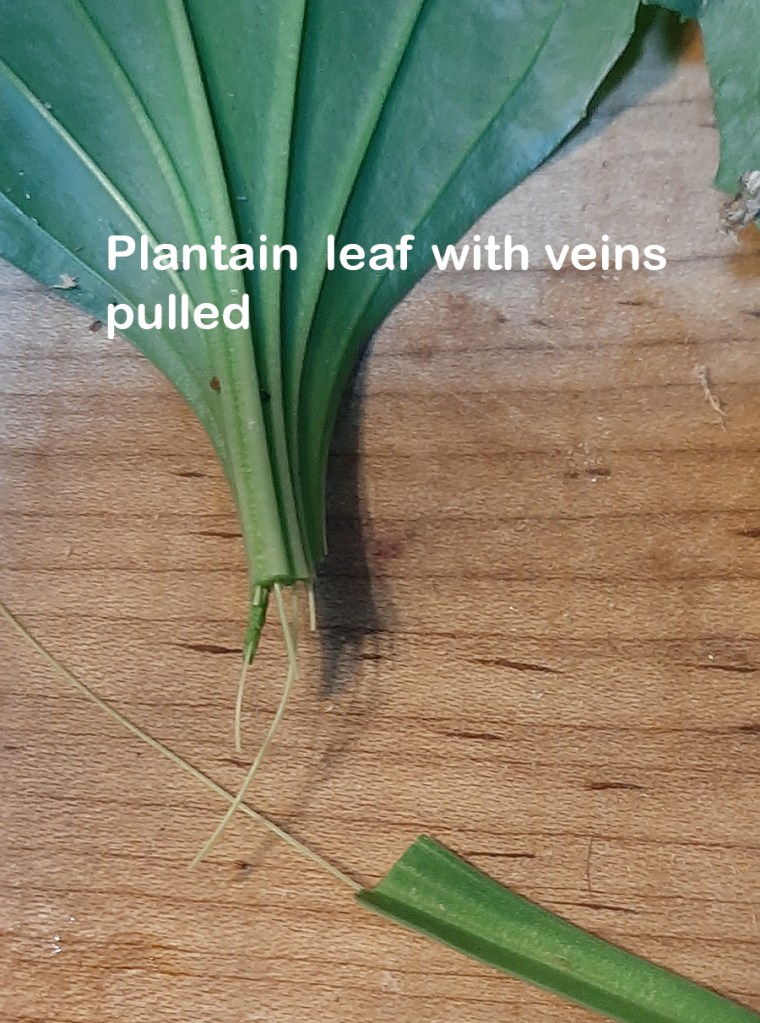
Some great ways to be sure you found Plantain and not something else. Take one of the leaves (they have thick veins that spread out from the stem, very visible on the bottom side of the leaves). If you pull apart the leaf from the stem you should see strings sticking out. These strands are very sturdy and if you pull with a steady pressure, you can pull it out like a tread. The plantain’s leaves are low growing, and the flowers and seeds grow up straight out of the center reaching about a foot in height at maturity. If you are harvesting for food, pick the younger leaves, but use the brown, more dried seeds. You can use any part of the leaves to make a successful poultice or tincture. If you get bit by something, look around for this plant, grab a handful of leaves and chew them up to make a quick ‘spit poultice’ for immediate relief!
ITCH RE-LEAF TINCTURE
Ingredients:
~8 leaves from a Plantain plant
~4 leaves from a Curly Dock plant
~1 root from a Curly Dock plant (washed and cut up into small pieces)
~1 full plant, including leaves, stem and flowers (not roots) from a Jewel Weed plant
~1 Cup of Witch Hazel (more as needed)

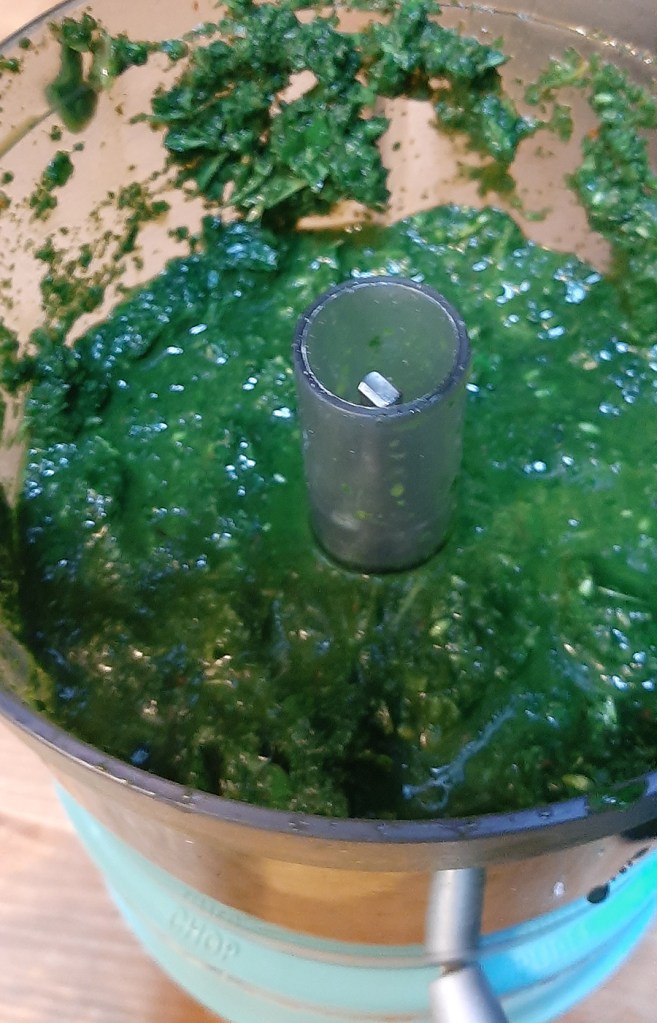
Ok, I know, it looks just like alpaca spit!
Directions: You can pre chop the leaves and stems if you like first, but if you add enough witch hazel it tends to pulverize without much prep work. Load your chopper with leaves and coat with witch hazel and pulse until you have a puree. Do this in batches, until you have it all pureed. Place the mix in a tall canning jar, add the remaining witch hazel and let the mixture soak overnight. You may need to add more witch hazel if it looks to dry. Strain the mixture the next morning. You can save the dry bits to use as a pre-made poultice (keeps for about a week in the fridge). The liquid can be saved in a jar and sponged on with cotton swab as needed. I usually make a fresh batch once a month during the summer. I always have some dehydrated leaves and root powder on hand to make more anytime of year. Spiders can sneak up on you anytime!

One last note on things that can be irritating. The more I have learned about the natural medicinal options that seem so readily available to us (much of which is right in our own back yards), the more discouraged I have become by our government endorsed healthcare, as they seem to do everything they can to discourage and hide these remedies from us. I started to take a deeper dive into why that is, and when it all changed, and I will admit I was not prepared for what I found while going down this rabbit hole. As you may suspect, the bad and good changes or discoveries made in modern medicine are all made with one driving force in mind and it has nothing to do with your good health. ALL of the decisions made by our modern medical associations, pharmacies, and government agencies are made with one objective…. TO MAKE MONEY! If you want a better understanding of how this happened after Rockefeller started the American Medical Association, read on. Rockefeller teamed up with Andrew Carnegie and started funding medical schools all over America on the strict condition that they only taught allopathic medicine. Through the power of their huge “grants”, this powerful team systematically dismantled the previous curricula of these medical schools, removing any mention of the healing power of herbs or natural treatments. Teachings on diet and other natural (non-drug) treatments were also completely removed from medical programs. With this in place, they could push for man-made, patented drugs and make a huge profit. For further reading about this, click here.
After you read the information on this link, and you have a better understanding of how we got to the point in modern medicine, where every other commercial on TV is a drug ad and how, when you go visit a doctor all they do is try to suppress your symptoms with drugs, rather than find a cure. It’s not because they hate you or they are bad doctors, it’s because that is what they are being taught in medical school. If they step out of the box put in place by the AMA, FDA, the big hospital admin, then they can lose their jobs and even sometimes their medical license. I guess the big take away from this is to QUESTION everything. Trust your gut, and always do a little of your own research. There are so many wonderful things to discover about our world that got lost in the scramble for bigger and better. One little step and one discovery at a time, can make a big difference.
Next blog… more fun medicinal, editable and DYEABLE plants we can find in our back yard or are easy to grow in a small garden.
RESOURCES (I do not receive any monetary gifts from the people of business referenced below or above. I just want to give credit where credit is due and share with you the books and links that I enjoy and appreciate). Please shop locally when you can and always support small businesses over big box stores!
Books
Secrets of the Forest, Volume 1, The Magic and Mystery of Plants and The Lore of Survival by Mark Warren.
Wild Remedies, How to Forage Healing Foods and Craft Your Own Herbal Medicine by Rosalee De La Foret and Emily Han
Southeast Foraging by Chris Bennet
The Forager’s Harvest by Samual Thayer
Internet Links
www.kswildflower.org
www.survivalsullivan.com
meridianhealthclinic.com/how-rockefeller-created-the-business-of-western-medicine
adversereactionreport.com/research
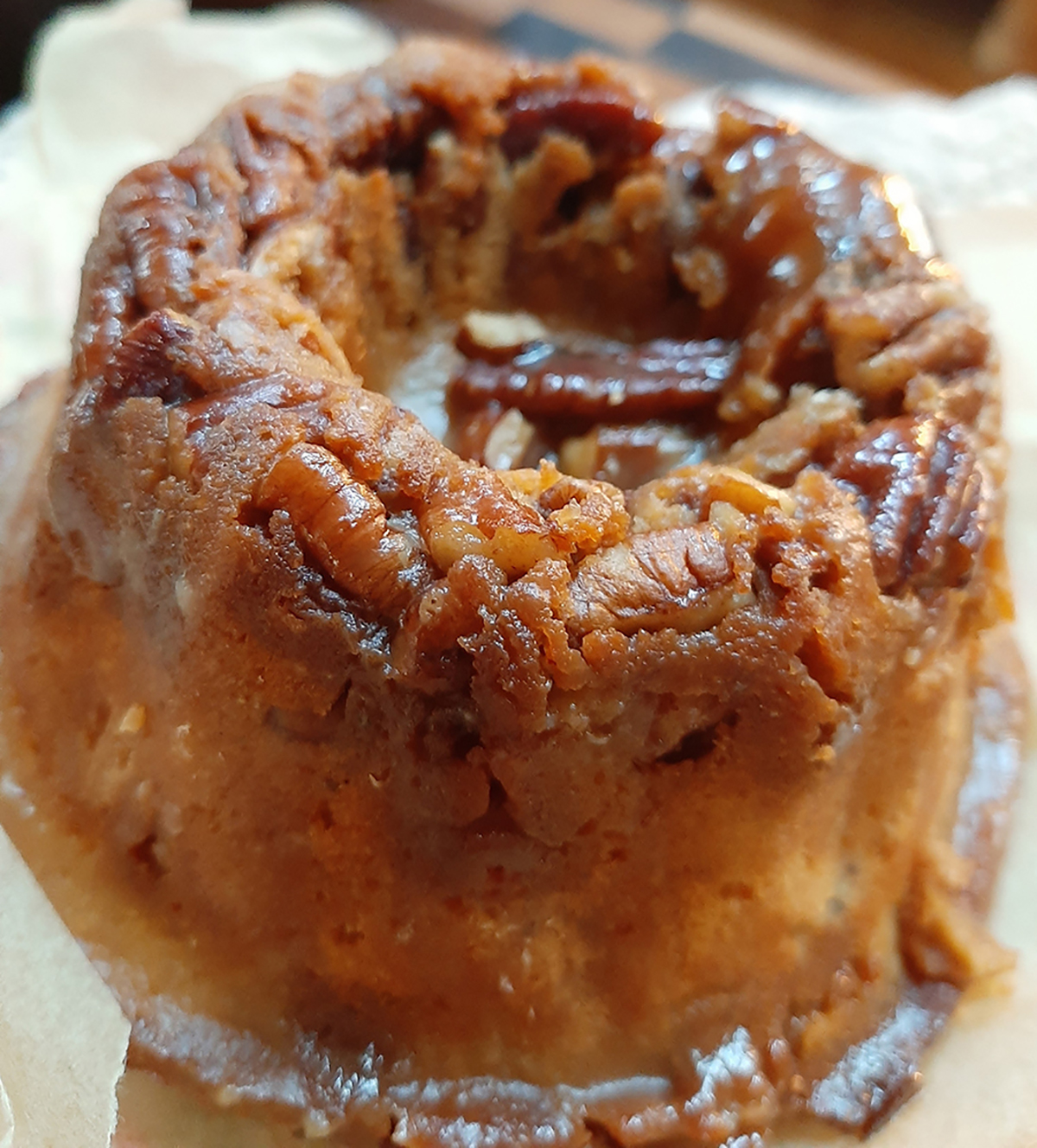
Sticky Toffee Pudding Rum Cake

Once upon a time a couple fell in love and ran off to Scotland to be married in the lovely hamlet of Sterling.
While on their honeymoon they had the great pleasure of enjoying a delightful dessert called Sticky Toffee Pudding. Yes, that couple was my husband and I and not being a big pudding fan, I will admit I was a bit skeptical about what we were about to have for dessert. Turns out it is a super moist spicy cake with a creamy caramel sauce. I was in love… with both my husband and this cake which I have been dreaming about it ever since.
For the past six or so years I have been making Rum Cakes every Christmas and it has become a bit of tradition. This year I decided it might be fun to combine my two favorite cake flavors together. It turned out to be a big hit. This cake is a dense, moist cake with a crunchy, chewy caramel topping and creamy butter praline rum flavor. Not exactly easy to make, but worth the effort. It freezes splendidly so you can share it with guests later in the year as well.

Taking the time to make the butter toasted pecans is a must. They turn crunchy and have a wonderful flavor. I always make a huge batch of them and save them in a big mason jar to use on salads and in some rice dishes.
Butter Toasted Pecans
~Melt a tablespoon or so of butter in a skillet and add the pecans on medium heat.
~Toss to coat with the butter and let them toast, tossing so they don’t burn.
~Add 2 tablespoons of brown sugar and toss until coated and caramelized.
~Spread them on a pan to cool.

Good things take effort and apparently 3 bowls. You will need three mixing bowls, a mixer and if you have a food processor, that really helps to mix the butter and sugar. But I am telling you, it is all worth it!!!
PREHEAT OVEN to 350 degrees

Bowl #1 Dry Ingredients – Mix well
2 cups of All Purpose Flower
1/2 Cup of Butterscotch Pudding mix (cook, not instant)
1/2 cup of Nut Flour Blend
1 tsp Salt
1tsp Cinnamon
1/4 tsp of Nutmeg

Bowl #2 Cream together – Food Processor works well
1 cup of Brown Sugar
1 cup of White Sugar
1 1/4 Cup of butter
4 oz of Cream Cheese

Bowl #3 – Mix Together Well
4 Large Eggs
2 Egg Yolks
1/3 Cup of Sour Cream
2/3 Cup of Rum
1/4 Cup of Heavy Cream
1 Tbsp of Oil
1 Tsp of Vanilla
Mix the sugar/butter mixture into the egg mixture until well combined, then add the flour and mix until just combined.
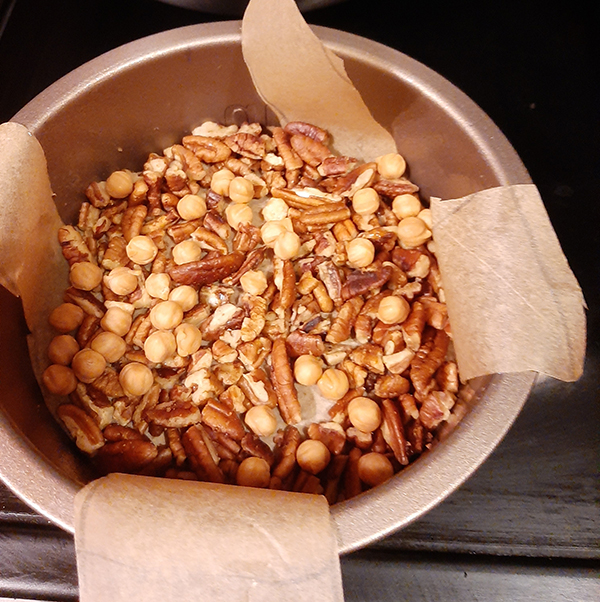
Prepare Your Pans
~1 to 2 cups of toasted butter Pecans
~1 to 2 cups of Caramel bits (Nuts.com has them, or can cut cubed caramels into small bits)
I use many different sizes of pans to make mini cakes, so depending on the size pans you use, the number of pecans and caramels will need to be adjusted. Grease your pans or use parchment paper cut to fit the bottom of your pan. Sprinkle the bottom of each pan with a handful of toasted buttered Pecans and Carmel pieces (bits). Dollop out the batter to fill 3/4 of each pan.
Sprinkle the top of the batter with more pecans and caramel bits.

Bake
The amount of baking time will depend on the size pans you are using. If you use one large Bundt pan then about 45 min. If using mini bundts or small pans start with 20 minutes and check until golden brown on top and crisped on the edges.
Ingredients for the Rum Sauce
3/4 cup of Heavy Cream
1 cup of White Sugar
3 Tbsp of Brown Sugar
3/4 Cup of Rum
1 Tbsp of Maple Syrup
1 Tbsp of good quality Aged Balsamic Vinegar
1/2 Tsp of Salt
1/4 Cup of Water
Making the Rum Sauce
~Heat the Cream on Med High until just hits a simmer then just keep it warm, being careful not to scold.
~In a non-stick saucepan pour water and Sugars in and mix until dissolved. Heat to Med High and while stirring occasional, let bowl for 8 minutes. It will start to turn caramel color and look sticky.
~Very slowly pour the milk into the sugar mix, stirring as you go.
~Add the Maple Syrup, Rum, Salt and Balsamic until well combined.
~Heat on low for 2 minutes and then remove from heat to cool a bit
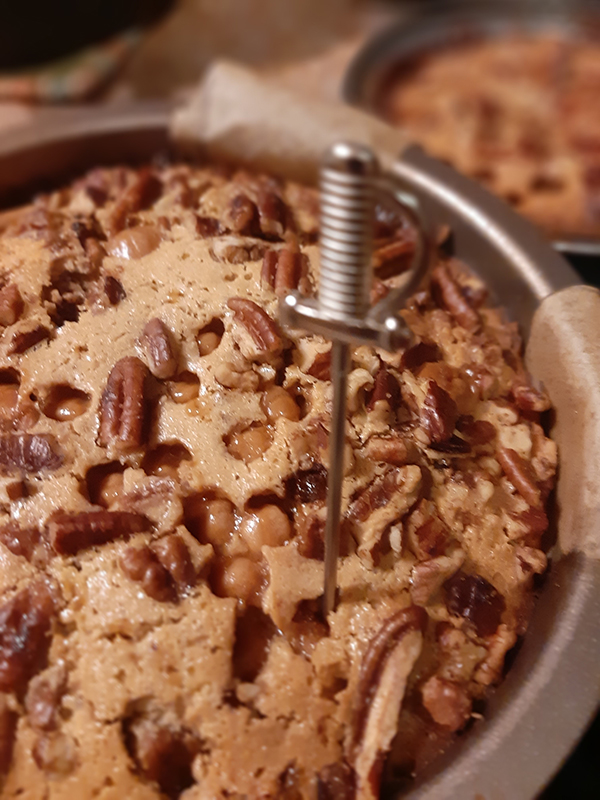
POKE HOLES in the top of the cakes while they are still warm, using a small skewer or tooth pick.

Almost There…
Pour the Rum Sauce over the Cakes trying to fill the holes. Let cool.
Once the Cakes are cool, scrape a knife around the edges to loosen any sticky
caramel bits before turning the pans upside down on parchment paper to release the cakes.
Poke more holes on the bottom of the cakes and pour rum over the bottoms
(Well, I guess that’s now the top).
Let sit for a few hours before serving or freezing so you give the rum sauce time to be absorbed by the cake.
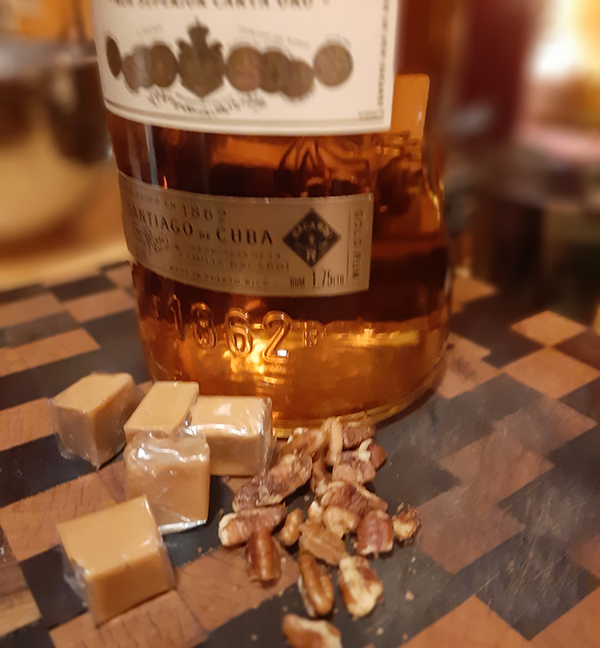
Tips: You can use Caramel squares cut into bits if you can’t find the little round caramel bits. I usually purchase the caramel bits from Nuts.com. They are also delicious in cookies! I like to use Spiced Rum, but white rum works in a pinch. Parchment paper works great if you are using a flat cake pan. I make a copy of the bottom of the pan on the parchment paper with a market and also cut out 4 tabs that go up the side of the pan so I can lift it out easily when tipping it over to put the sauce on the other side.
Grocery List – Total Amounts of all Ingredients
2 cups of All Purpose Flower
1/2 Cup of Butterscotch Pudding mix (cook, not instant)
1/2 cup of Nut Flour Blend
1 1/2 tsp Salt
1tsp Cinnamon
1/4 tsp of Nutmeg
1 1/2 cup of Brown Sugar
2 cup of White Sugar
1 1/3 Cup of butter
4 oz of Cream Cheese
6 Large Eggs
1/3 Cup of Sour Cream
1 1/2 Cup of Rum
1 1/4 Cup of Heavy Cream
1 Tbsp of Oil
1 Tsp of Vanilla
1 Tbsp of Maple Syrup
1 Tbsp of good quality Aged Balsamic Vinegar
1/4 Cup of Water
1 to 2 cups of Pecans
1 to 2 cups of Caramel bits



Needle Felting Tools and Fibers plus Needling Techniques.
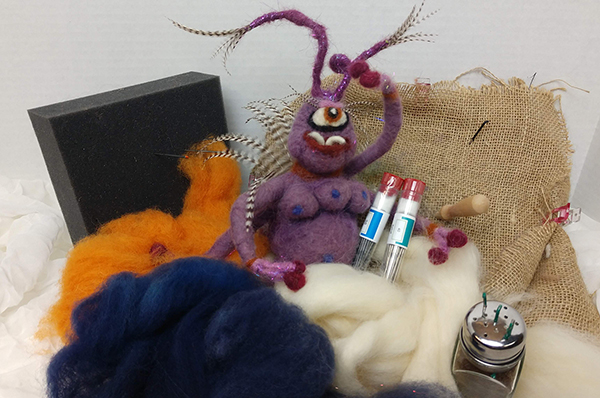
Is it alien to you? Thinking about learning to needle felt but feel a bit overwhelmed as to what supplies you need to get started or how best to begin? Don’t be scared, this blog and video tutorial will help.
Find information about different felting needles, what fibers to use, other tools and even needling techniques with a few helpful links where to find supplies.
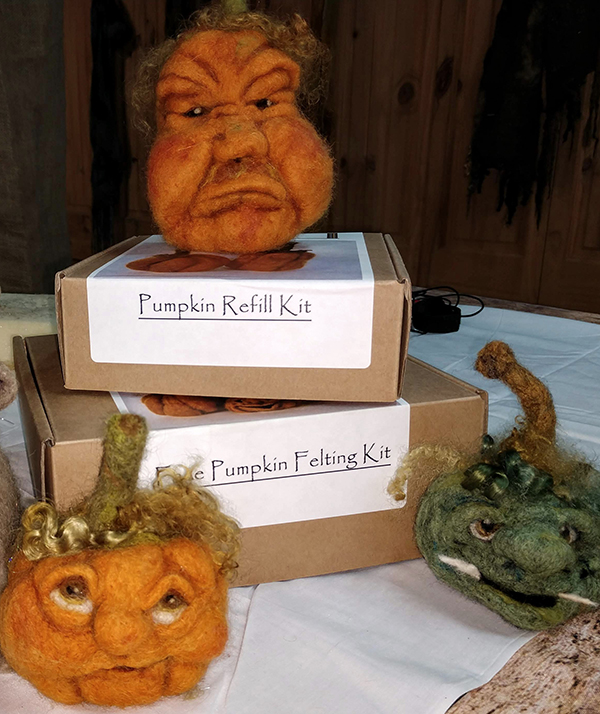
If you don’t want to purchase a bunch of supplies before you know for sure you will enjoy this process, purchasing a kit that has everything you will need to get started is a very economical way to begin.
Purchase Felting Kits, click here.
Needles
*The larger the gauge (diameter) of the needle the thinner it is and the smaller the barbs will be on the needle. The more barbs there are on a needle the quicker and more aggressively it will felt, but it will also leave a more visible punch hole and may not be as accurate for tiny detail work.
Star – 4 sided needle aggressive felter, has more sides = more barbs.
Spiral – very aggressive felter but not good for use with a mettle armature as it seems much more delicate due to the spiral, even with the smaller gauge, it tends to break easily. But still my favorite needle to use. It has a smooth feel to it when your using it.
Triangle – 3 sided, sturdy needle, less sides also = less barbs. a 42 gauge triangle needle might work best for detail work as it has fewer barbs. Good for eye detail.
Reverse – will pull fiber out (barbs are pointed in opposite direction). Use once you have securely felted your project to add a hairy or furry effect to your project.
There is also a crown needle and forked needle. I have not used either. They seem to be favorites of doll makers for putting hair on the dolls.
Purchase Needles here

Storing needles in a pepper shaker with a bit of raw fiber in the bottom, keeps your needles handy, organized and bonus, the lanolin (natural oils) in the wool will keep your needles from rusting!
Felting Surfaces
Felting Pad – There are loads of options here. Many felting stores sell nice compressed felting pads, click here. You can also purchase chair cushion material at a fabric store and use an electric knife to cut it in to the desired size. This cushion usually is not as dense however and will quickly fail by leaving large divots or breaking off/sheading into your project. However it does work in a pinch.
Rice Bag – Sew several layers of burlap together in a rectangle leaving room for a funnel at one corner. Fill bag with rice using the funnel. Stich up corner. Can replace top of bag with a new piece of burlap for each project and use quilting clips to secure to your pad. May be able to find a drawstring burlap bag to use instead of sewing one, but would work best if had several put together, because one layer really isn’t enough.
Felting Chunky – A felted square or rectangle that is so densely felted that it no longer allows things to felt to it, but will let the needles glide through it.
(Hope to have these available soon). Easy travel felting pad.
Types of Fiber
Alpaca – I am biased, but clearly the best fiber in the world! Alpaca works fine for needle felting, however it tends to be a little Hairier (soft hairy not course hairy). Not great for making dense items or sculpting as it is too fine. Best used for small surfaces (like detailed fiber painting, where you are using small bits for each color needed), click here for sample. Or for making the pelts on felted animals. Suri fiber is also great for doll hair or horse or lion manes.
Corriedale Sliver– Best fiber I have found for needle felting, It felts quickly and is great for making dense, thick sculpture pieces. Easy to manipulate and comes in loads of colors, click here.
Core Fiber – Usually a courser, shorter staple sheep wool. Great for core sculpting.
Combed Top – Usually Merino Sheep, better for wet felting. Stable is too long and leaves punch marks and has a stringy, unfinished look to it when needle felted. However, it can be used with great effect for making long hair on something. Like the tuft of hair on a cats cheek.
Decorative bits – Can also add, Mohair curls, Firestar, Angelina, Bamboo or other silky cellulose fibers for effect, sparkle and texture to your needle felting projects.
Needling Techniques & Tips
~Always keep your eyes on your project when needling
~Always poke or stab straight down. Do not poke then bend the needle in an angle
Deep Needling – Stab straight down with a good punch to change shape and density of felt.
Surface Needling – A more gentle poke just through the very top layer is good for adding colors with out changing shape.
Deep Line Needling – Stabbing down the same path or in the same place will cause a crevice or depression that can be used to create depth or definition. Can gently use needle to guide the fiber in place before poking.
Flat Felting – Lay suitable layers of fibers across felting surface and needle the whole thing. Carefully pick the fiber up, and flip to needle other side. Continue to do this until your fiber becomes smooth and dense and does not stick to the sponge as much.
Creating a nice edge on flat felt – Create a nice line in your felt by needling in the same line over and over again. Fold the smaller edge over the line and needle into place. If you want to create a “fat lip edge” needle just behind the fold and continue to roll and fold and needle behind fold until you get the thickness you want.
Felted Ball or Log – You can tie a few knots in roving to start a dense ball, Fold fiber over the knots and needle, always turning to hit all sides as you needle. To create a log you can tightly roll with hands to form a log or start by wrapping fiber around a dowel, toothpick or skewer. Adding fiber until you get to your desired thickness. Remove dowel and needle and roll on pad, hitting all sides until smooth. Roll in hand to really smooth it out.
Thin Felted String for details – Pull a tiny sliver of fiber and roll it across a sponge, or wet your fingers and roll on a flat surface until it turns into a tight string. Good for small eye details.
Fiber Boogers – Wet fingers with sponge and roll a tiny amount of fiber between your fingers. Great for small details like eye sparkle.
Other handy extra tools to have available
wet sponge – to moisten hands when rolling a fier string or fiber booger.
Dowels, toothpicks or skewers – to help make tube shapes
Scissors – To trim bits that are too long and get rid of fuzzies when finished
Ruler – To measure fiber when having to repeat same step over and over.
Needle felting classes available at Lasso the Moon Alpaca Farm



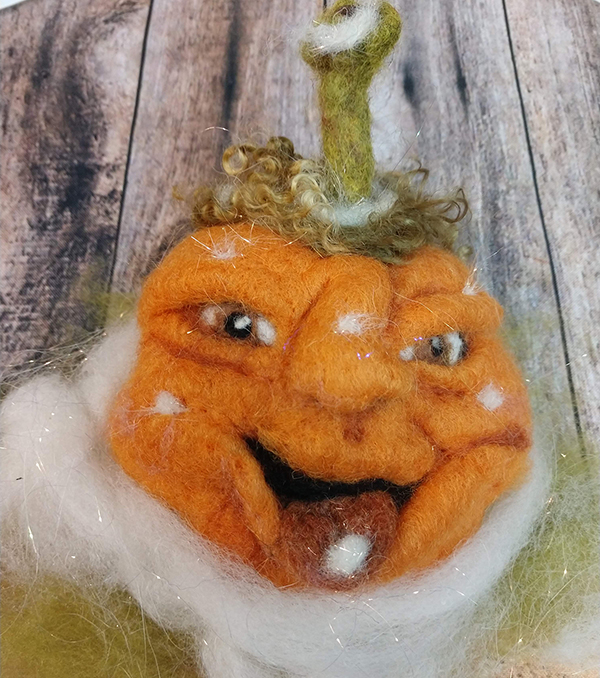





Needle Felting a Festive Pumpkin Tutorial
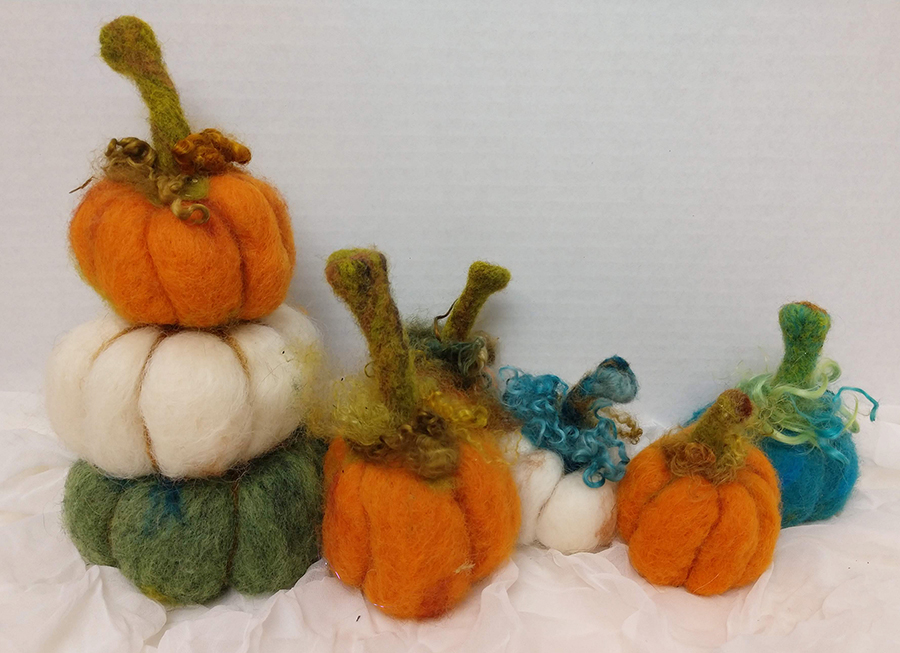
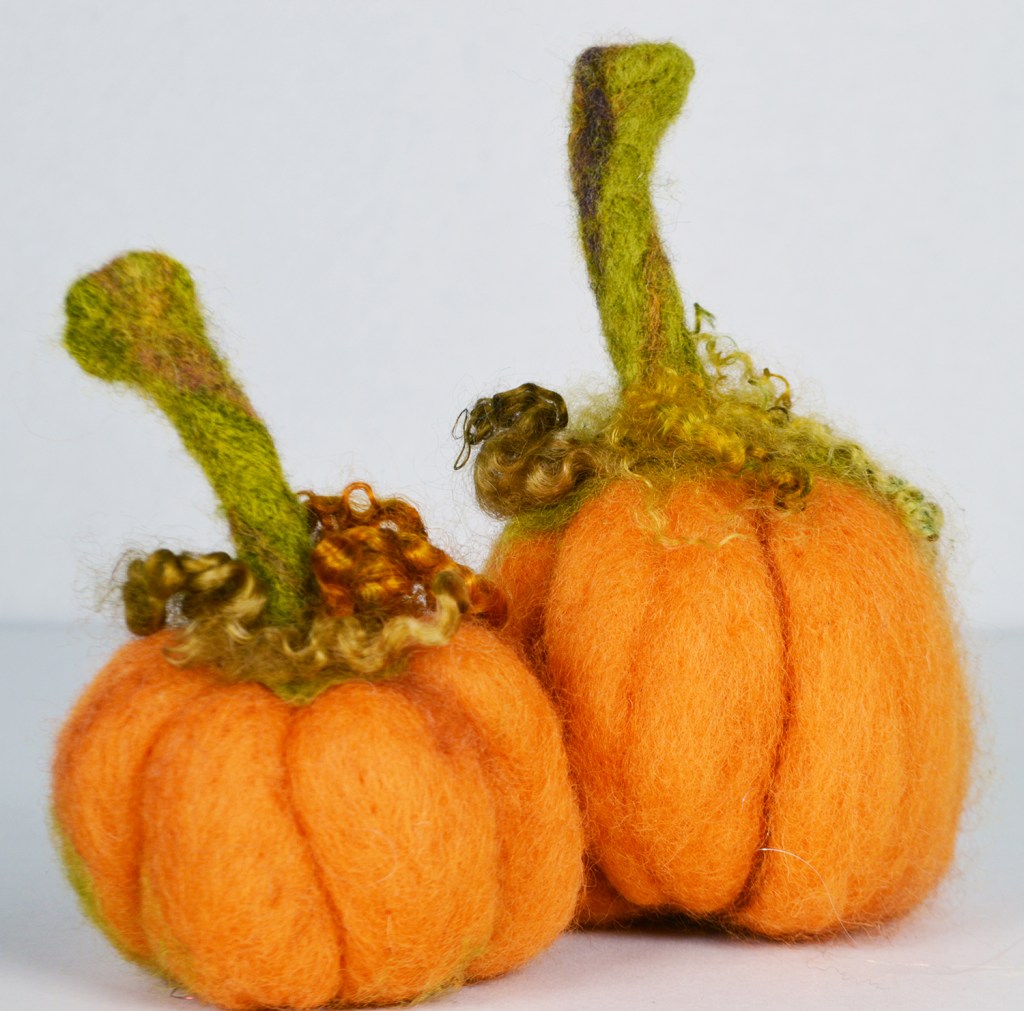
This is a great starting point for someone that has not needle felted before, but wants to start with something a little more creative and challenging then felting a flat piece of felt using a cookie cutter as a guide. The video also covers some handy felting techniques that can be applied to more intricate work.
To purchase the Needle Felting Pumpkin Kits, please click here.
Another good video to watch if you just started your needle felting adventures is our Free “Needle Felting Tools & Fibers” Video Tutorial , click here.

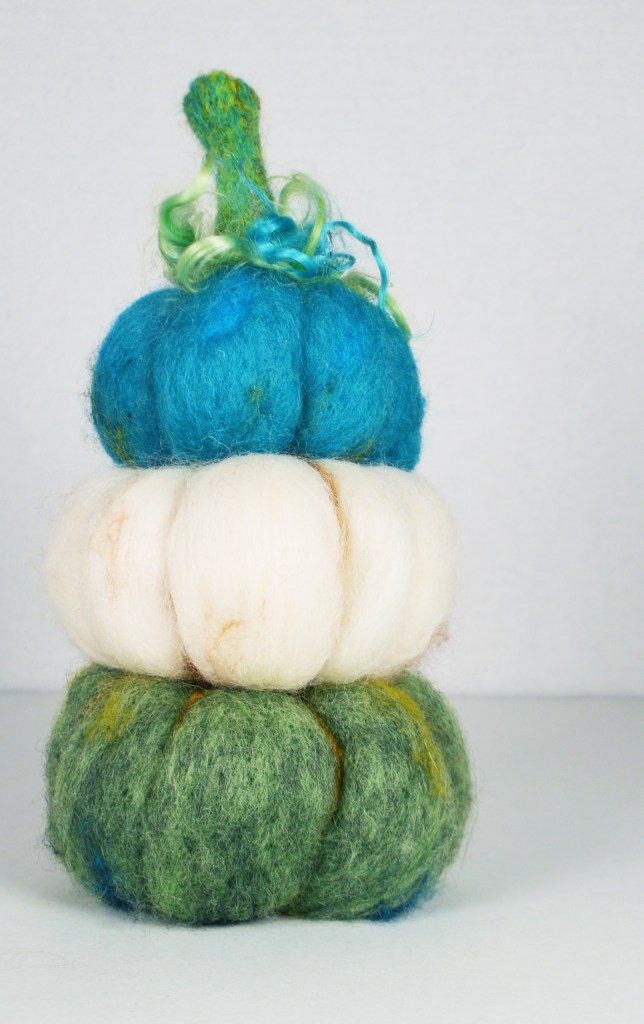
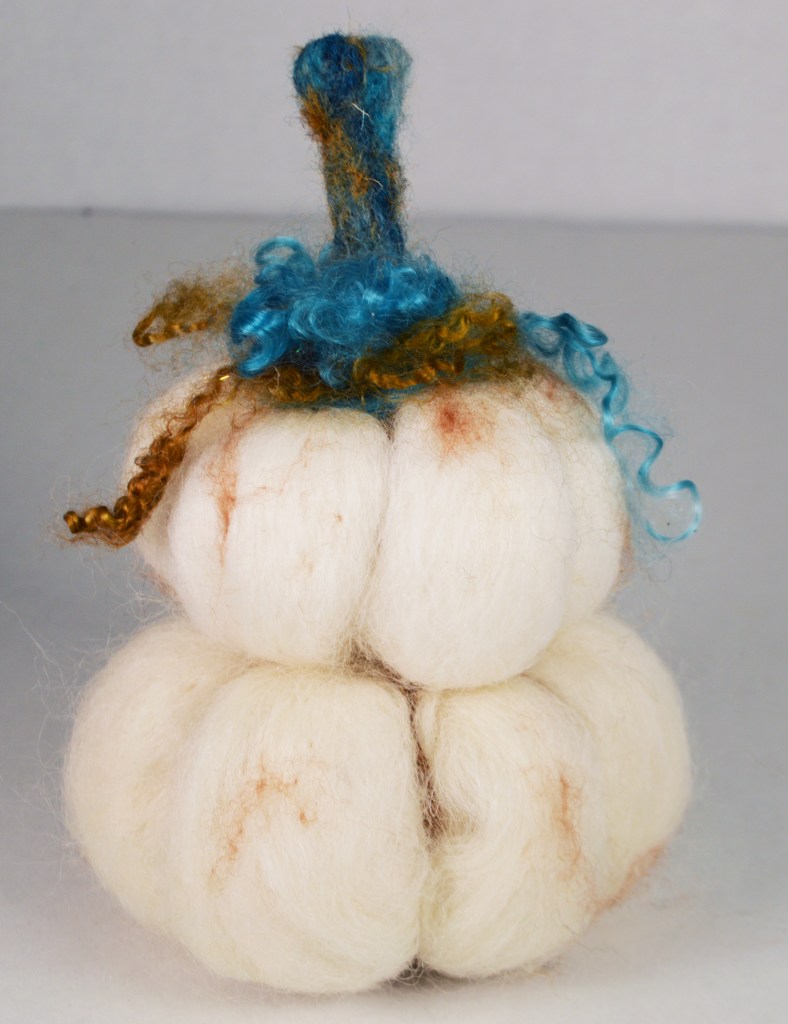
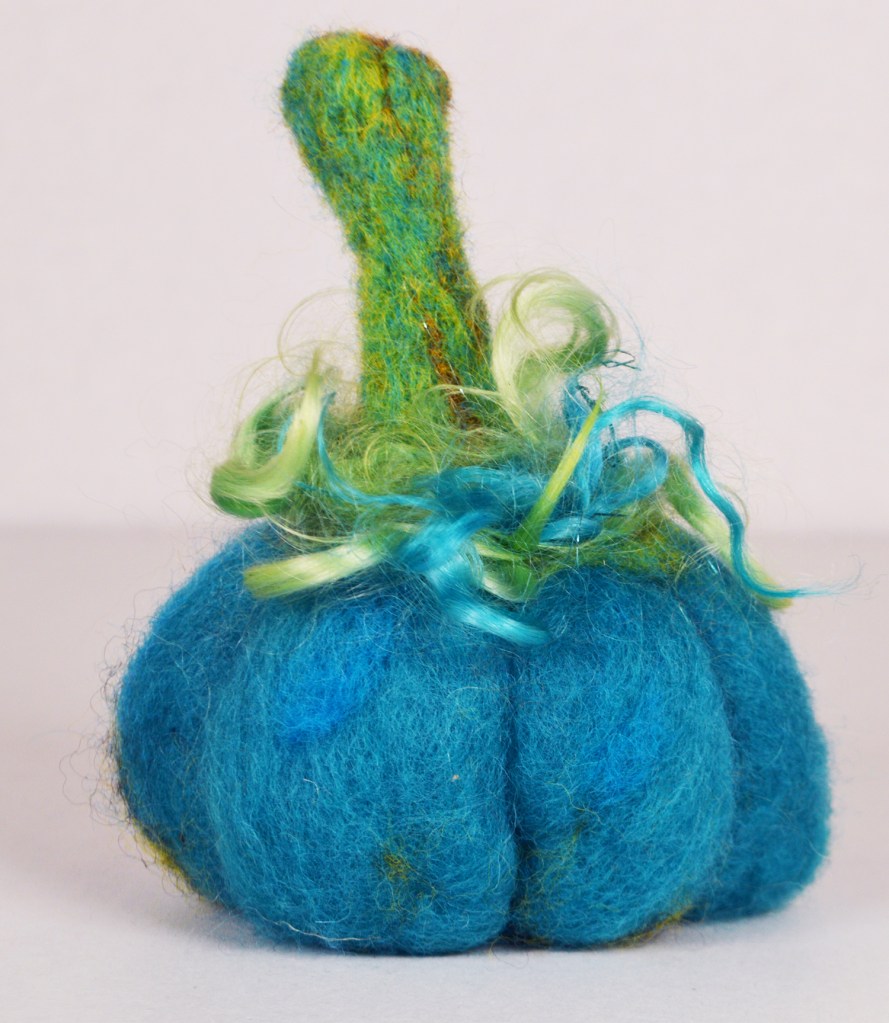
We also have a Needle Felting a Pumpkin Face Kit available that comes with a “How To” video. This kit includes everything you need to make 2 – 5 pumpkins depending on the size you make. Learn to make all kinds of expressions from giddy & glad to grumpy, grouchy, prickly or surprised.
To view the Needle Felting a Pumpkin Face Kit Tutorial however, you will first need to purchase the Pumpkin Face kit. To purchase the kit, click here.
The kit will come with a link to the tutorial where you login in with the code you are given at the time of purchase.
If you have any questions about making your pumpkins from our kits, please feel free to contact us.



Avid Gardeners need to be Best Friends with an Alpaca Farmer!


Alpacas are more then adorable to a gardener. There are two other reasons an avid gardener should make quick friends with someone who raises alpacas.
- Alpaca bean fertilizer
- Fiber thirds/waist from shearing to be used as mulch
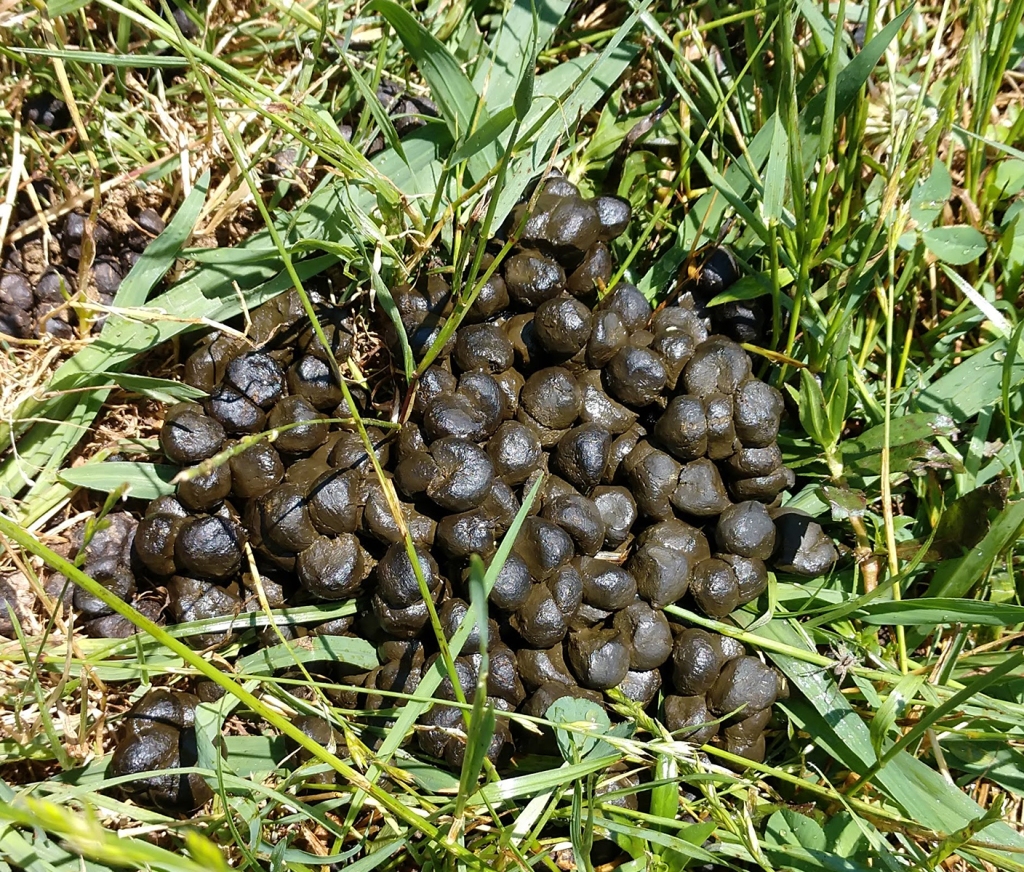
Talking Dirty…
Alpaca beans are very low in organic matter, allowing the gardener to use them without having to compost completely. Alpacas are very efficient at extracting nutrients from their feed, which helps keep the organic matter lower on the output. Hundreds of species of bacteria and protozoa can inhabit the digestive system of ruminants and camelids. Also the amount of time the food stays in the camelids three compartment stomach helps them to extract more from the feed then other ruminants do.
Lower organic matter means less composting or ‘heat’ is needed to release the nitrogen, phosphorus and potassium quickly into soil. Some would say that alpaca dung has the highest N-P-K of any fertilizer. All I know is the stuff works great as evidenced by my lush gardens.
How to use alpaca beans
What is the best way to use alpaca beans to fertilize your garden? There are several good options depending on your access to alpacas. If you do not own alpacas you should hurry up and meet someone who does. I will share links and ideas about connecting with an alpaca farm latter in this blog. Some companies and alpaca farms sell dried alpaca fertilizer which has very low odor and is easy to use.

I call it Poop Soup, but most refer to it as ‘compost tea’. If you let the beans or dried fertilizer soak in a bucket or tub of water, you can then ladle or pour the liquid on your soil around your plants. If you dilute the soup even more by adding it 1 to 1 to water you can spray it directly on leaves.
POOP SOUP IS THE BOMB
your plants will explode with flowers and produce!

The live organizims in the fresh tea/soup can help fight some leaf fungus or spotting. If I use it in a spray bottle, I put cheese cloth over my old red enameled ladle, secure it with a rubber band and pour it into a large spray bottle using a funnel. A little gross, but easy enough. Be sure to use your poop soup within a few days of making it and store it out of direct sunlight if you wish to take advantage of the live organisms in the poop soup.
Where can I get alpaca poop if I don’t own any alpacas? These days of course you can order anything online. Here is a short list of a few folks I found that sell powdered or /shreaded alpaca fertilizer online.
GreenBudz – Alpacas of Montana
The Archers at The Larches Homes and Garden Store.
You can also try your local farmers market. Many alpaca farms have booths where you can purchase different alpaca products, including fertilizer. If you have access to an alpaca farm in your area they may let you collect some manure for free, or a small fee as long as you are doing the ‘collecting’. We personally host many open houses or you can call for an appointment where you can purchase a bag of dried beans in our farm store or collect the wet stuff for a small donation (bring your own bucket). For information on making an appointment or attending an open house at Lasso the Moon Alpaca Farm, click here.
I made alpaca poop soup and all my plants died!
It’s true, this happened to me about 6 years ago…read on
GRAZON BEWARE
Let me tell you the story of how my garden was put to a slow death one year. There is a herbicide product called Grazon that some farmers will use to clear hay fields of broad leaf weeds. It is said to pass through the animal without harming the animal, but….and a big but it is….it will stay in their poop and in your compost/soil for up to five years, killing everything in your garden…except grass. ALWAYS KNOW YOUR HAY SOURCE WELL and ask them if they use Grazon if you intend to use alpaca fertilizer in your garden!
ALPACA FIBER MULCH!

Oh my gosh, you would waist gorgeous alpaca fiber by throwing it on the ground in the garden? Well, not all alpaca fiber is created equal. Some is just too dirty (with hay matter or other vegetation) to mill and some is just too course or short due to extreme age, illness or poor quality genetics. A fleece is divided into threes. The ‘Firsts’ or Prime fleece is used for fine products that are usually meant to be worn. The ‘Seconds’, like the mid hip and neck can be used for items like socks, the ‘Thirds’ usually end up in the bin…if we are perfectly honest about it, and sometimes the seconds end up there too.
The fiber that is skirted off the prime, or waist fiber such as arm pit hair, makes great mulch. If you don’t use your seconds or thirds for anything else this is a great way to use them too.
Two Ways to Use the Fiber
1.) Use as a mulch for the walkways in-between your garden beds. I have been doing this for years. I simply toss my waist fiber down then spread a thick layer of pine mulch on top.
2.) Start an ‘instant’ bed using alpaca fiber as the weed barrier.

The alpaca fiber under the pine mulch has felted to the ground, keeping this trail virtually weed free. 
No alpaca fiber mulch on this trail – weeds have taken over with in a few weeks.
Another nice thing about using the fiber as mulch is that it helps maintain moisture levels. It absorbs the excess moisture when it rains heavily and holds it for latter. Eventually the fiber will compost. I usually redo my trails every few years.
Make an Instant ‘raised bed’.
Ok, maybe my beds aren’t raised in the technical sense since they are not contained by wood panels, but they work just the same.

1.) weed whack where you want your raised bed.
2.) Spread a thick layer of alpaca over the garden bed space.
3.) Spread a 6 inch thick layer of good organic raised bed potting mix over the alpaca mulch, completely covering it.
4.) plant your seedlings or seeds, keep seedlings moist until they sprout.
DONE!
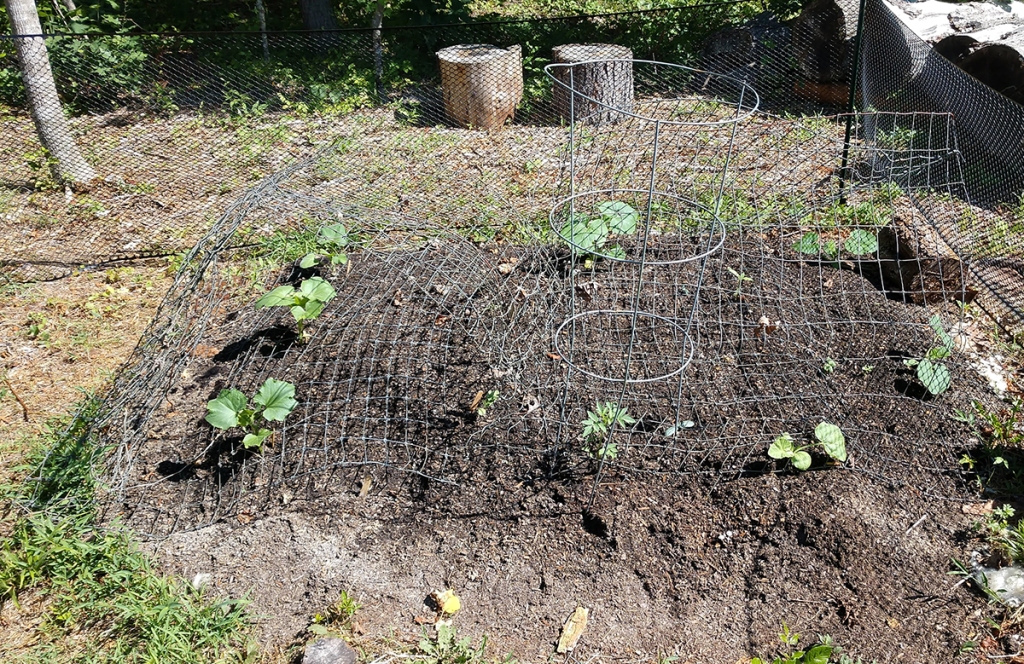
This is my newest bed. Pumpkins and Sunflowers. Literally took me less then three hours to complete. Including my little “keep the damn ducks out” fencing. It went from just a mess of tall weeds to a pumpkin patch in less then a day.
How do I cozy up to an alpaca farmer, I love to garden and need to meet one or become one!
Check with your regional alpaca organizations, you will find a list of them at the AOA website (Alpaca Owners Association), click here. Research the internet for alpaca farms in your area. Not everyone that owns alpacas is going to be members of their local or national alpaca organization, although it would be nice if they did.
Attend an alpaca show (list of shows here), check out your local county fair and farmers market, or reach out to your local 4 – H or FAA program. If you are toying with the idea of purchasing an alpaca (must have two, three is even better). Please do some research first, by visiting farms and attending shows. They are easy keepers, but they have special needs that any responsible animal lover should understand before making an alpaca purchase. Another good route to try…follow the fiber. Where there are knitters, spinners, felters and weavers (Fiber Guilds and Art Guilds) there are usually alpaca owners. Good luck and Happy Gardening!


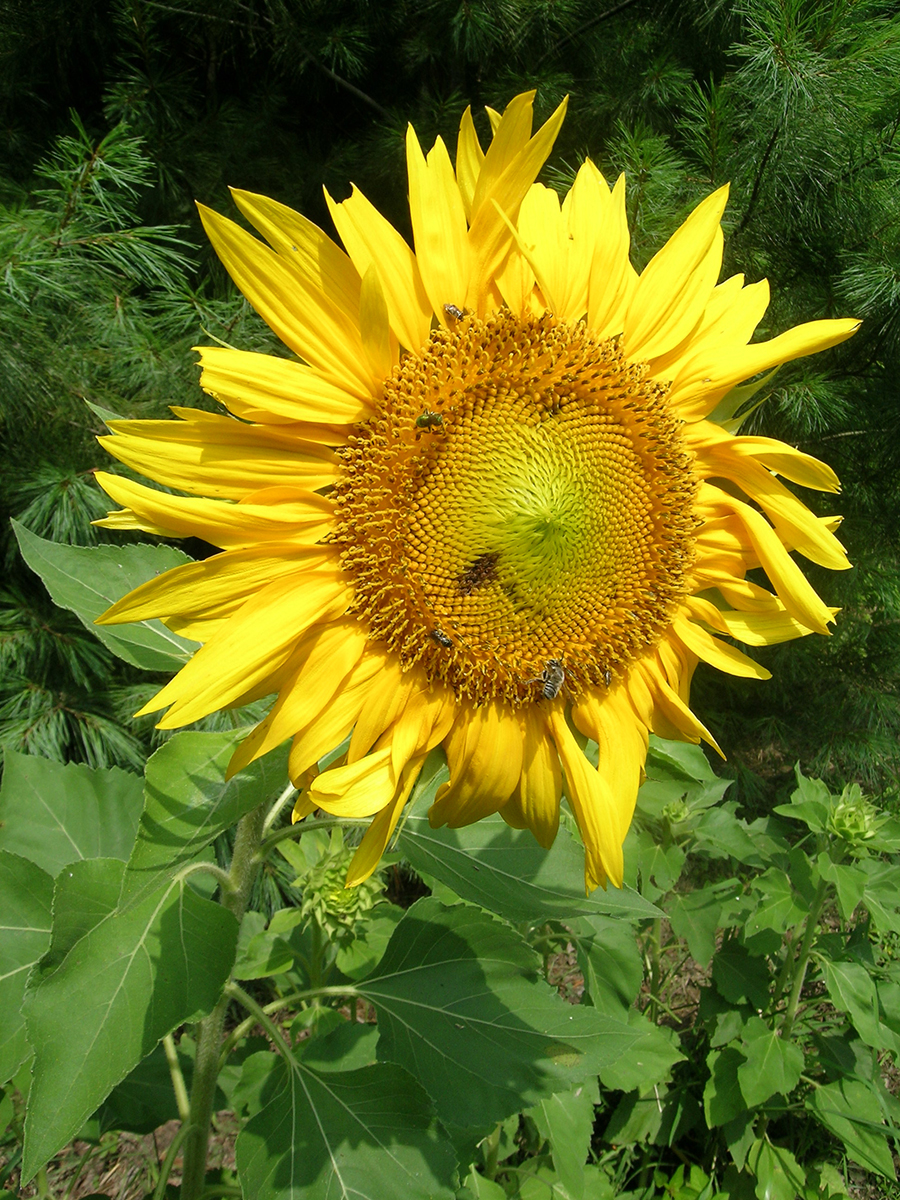



Bee Like a Dandelion

I am so excited that dandelions are finally becoming vogue. They have so much to offer… still they are humble, yet resolute. Bee like a Dandelion!
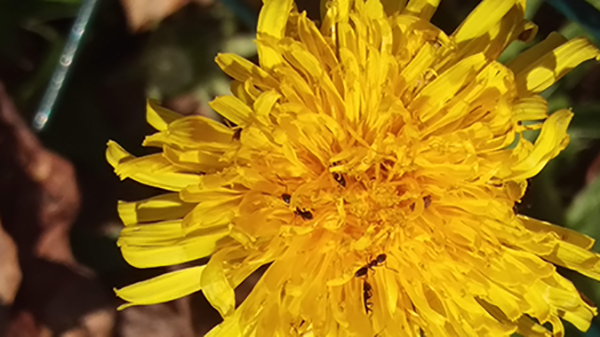
Dandelions are the first thing on the menu for early spring pollinators, especially bees, but also hover flies, beetles and some butterfly species. Sparrows and goldfinches enjoy the seeds. They also provide humans with a food source. We are so busy trying to dig those deep rooted buggers out of our grass and gardens, most never notice the value they have.

Why are they called Dandelions? (Taraxacum officinale), are named after the French dent de lion, meaning lion’s tooth, which refers to the shape of the dandelion’s leaves. Due to it’s effectiveness as a diuretic, dandelions are also referred to as ‘wet-the-beds and ‘pissy-beds’.
The leaves of the dandelion can be eaten in a salad, suated or even made into a soup. It is best to pick the young leaves as the older ones tend to be pretty bitter. Following are some links to interesting recipes I plan to try. At the time of writing this, our dandelions where just barely getting started and I couldn’t find enough leaves to collect without potentially harming the plants. I wanted to leave what little I have coming up for the pollinators for now.
Dandelion Soup
Dandelion Tart
Dandelion Pesto
Sauteed Dandelion Salad with a kic
The flowers can also be made into wine and jellies.
Leave, Leave, Pick.…It is always a good rule of thumb when you are foraging to pick the third plant you find. Leaving the first two for the forest friends. This helps ensure you will be able to find some next year. Also be sure what you pick has not been sprayed with any pesticides or chemicals.
Are Dandelions nutritious? Yes, they are loaded with vitamins, minerals, antioxidants, sterols, flavonoids, carotenoids, and sesquiterpenes. Dandelions have been used by herbalists as remedies for illnesses including liver problems, gastrointestinal distress, fluid retention, and skin ailments to name a few.
other benefits click here for a full list.
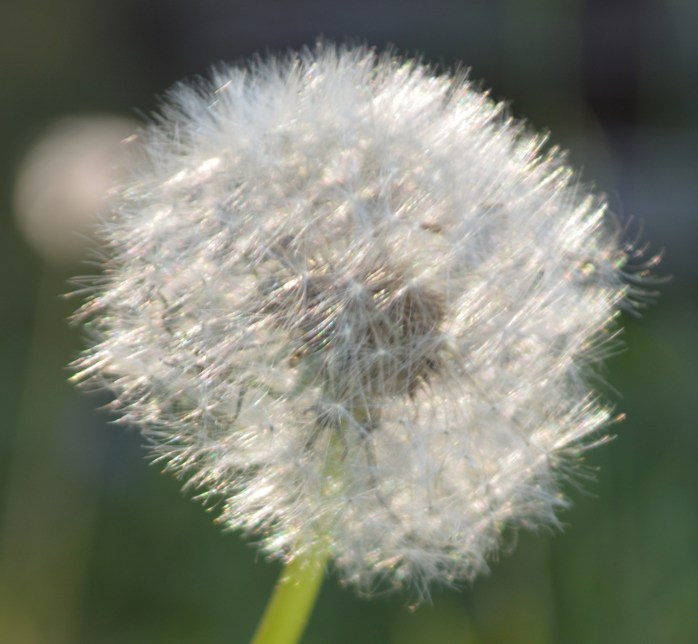
Dandelions are in flower from late March through late fall, and at their peak in May. They produce seeds asexually without the need for pollination. Who, as a child, hasn’t picked up a dandelion puff ball, blew and made a wish? I still do. If you never have, try it. If you don’t like dandelions and don’t like your neighbor, you will probably want to blow the seeds a drift in their yard. Hey, maybe they like dandelion tea and you are doing them a favor.
Another popular use for dandelions, is to make a tea using the flower buds. Simply steep them in boiling water. It is supposedly good for calming a stomach ache. You can also make a dandelion coffee using the dried, ground and roasted roots.

Dandelions make a wonderful ingredient for soap making. I love to make infused oils that can be used in soaping and dandelions are great for this. Just fill a mason jar half full with dandelion buds and fill with your favorite oil. (olive oil, almond oil, avacodo oil, etc). A pretty simple dandelion soap recipe comes from one of my favorite blogers, The Nerdy Farm Wife.
Her soaping book, Simple and Natural Soapmaking is a must for first time soapers. Wonderful recipes and loads of pictures.
Another great way to use dandelions medicinaly is by making a salve. Salves are easy to make and you dont have to worry about messing with Lye, which is very caustic, like you do in soap making.
I will have dandelion soap and salve available in our shop soon, well sort of soon. It takes 4 to 6 weeks to cure a soap. I cant wait for the dandelions to flourish and bloom on our farm, so I can make more of these wonderful things mentioned above and take advantage of all this ‘weed’ has to offer.
The Herbs and Recipes Series – Chickweed, Kefir and Lentils make a Yummy and Healthy Combination
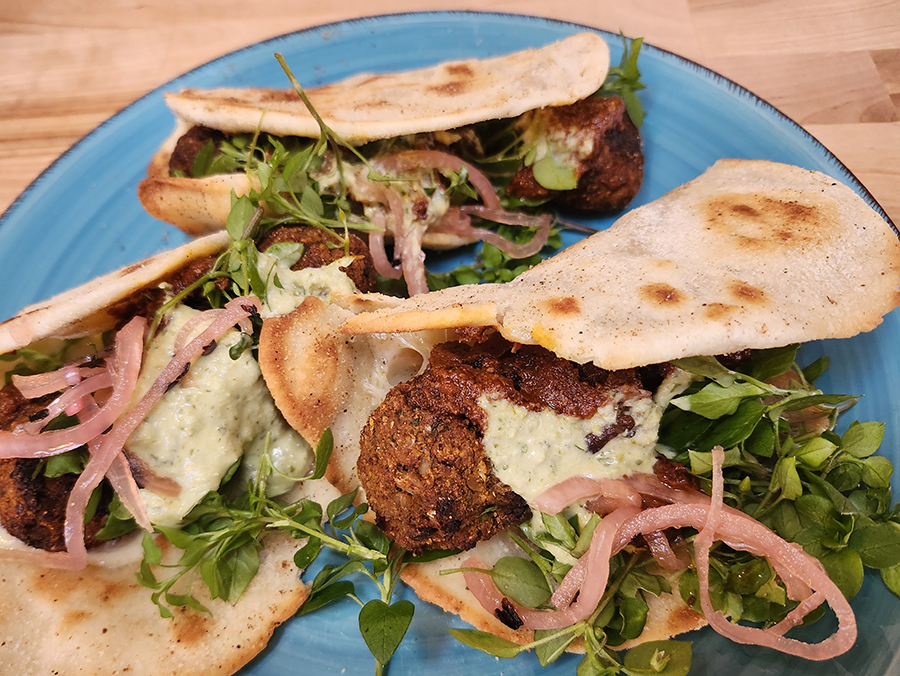
Finding unique recipes to use the healthy and flavorful Herbs and plants harvested on our farm is one of my passions.
Lentil Meatballs tucked in Kefir/Sourdough Naan Bread garnished with Chickweed Greens, Matcha Sauce, Pickled Red Onions and Horseradish Verde Sauce.
Recipes below. First let’s learn about a very important wildcraft Herb that is rarely spoken about in Herb books or even in Foraging books despite all the wonderful qualities it possesses.

COMMON CHICKWEED
Chickweed is one of my favorite wildcrafted herbs! It has the sunny taste of sweet corn and is generously offered to us in the colder months when there are very few other garden greens available. Chickweed brings joy, nutrition and flavor to any salad, stir-fry, or sandwich. Not to mention all the Nutritional and Medicinal value it hosts.
Usually a wildcrafted herb, Common Chickweed is also easy to grow ‘on purpose’ in your garden.
What is Chickweed? Common Chickweed (Stellaria Media) is a low growing weed originating from Europe and is in the Pink Carnation family. It now grows all over the world, as it has followed explores to new lands.
It is also known as chickenwort, craches, winterweed, and maruns. It is so nutritious that is known to be an appetite suppressant for dieters.
IDENTIFY
When harvesting any wildcrafted plant you really need to spend a little time being able to recognize the plant before you make dinner with it. This requires understanding a little about plant parts. We could get way deep into it, but let’s keep it simple. ‘Notice’ a few things about the plant. Is the stem round, or square? Is it hairy or smooth? What is the shape of the leaf, is it round, oval, long or pointed? Do the leaves sit across from each other on the stem or are they opposite of each other? Do the leaves grow in clusters or is a single leaf coming off the stem? What do the flower and seeds look like, color, shape, etc?
IMPOSTERS
Common Chickweed has two poisonous look a likes (Spurge and Scarlet Pimpernel) and two edible sisters that while not poisonous, are not as tasty or textually palatable (Mouse -Eared Chickweed and Star Chickweed). So it is worth taking the time to get to know what Common Chickweed looks like compared to the other four.

RECOGNIZING COMMON CHICKWEED
The most distinctive feature of Common Chickweed is the fact that it grows a line of tiny hairs like a Mohak up the length of the stem (You may need a magnifying glass to see them). The most peculiar thing is this single line of tiny hairs grows on the opposite side of the stem after each node (where leaves are attached to the stem). No other plant really does that. So if you see this, you will know for sure you have the right plant. Common Chickweed has tiny white flowers with five deeply cleft petals (making it look like 10 petals).
Scarlet Pimpernel flowers are orange, red or blue and the leaves can have tiny red dots on the underside. Common Chickweed’s leaves are smooth and have no spots on the underside. Also Scarlet Pimpernel has a square stem, while Chickweed is round. Spurge has different shaped leaves and when broken Spurge will release a white milky sap that is irritating to the skin. Common Chickweed usually grows in great clumps, while Star and Mouse-Eared Chickweed usually grow as individual plants.
MEDICINAL AND NUTRITIONAL POWERHOUSE!
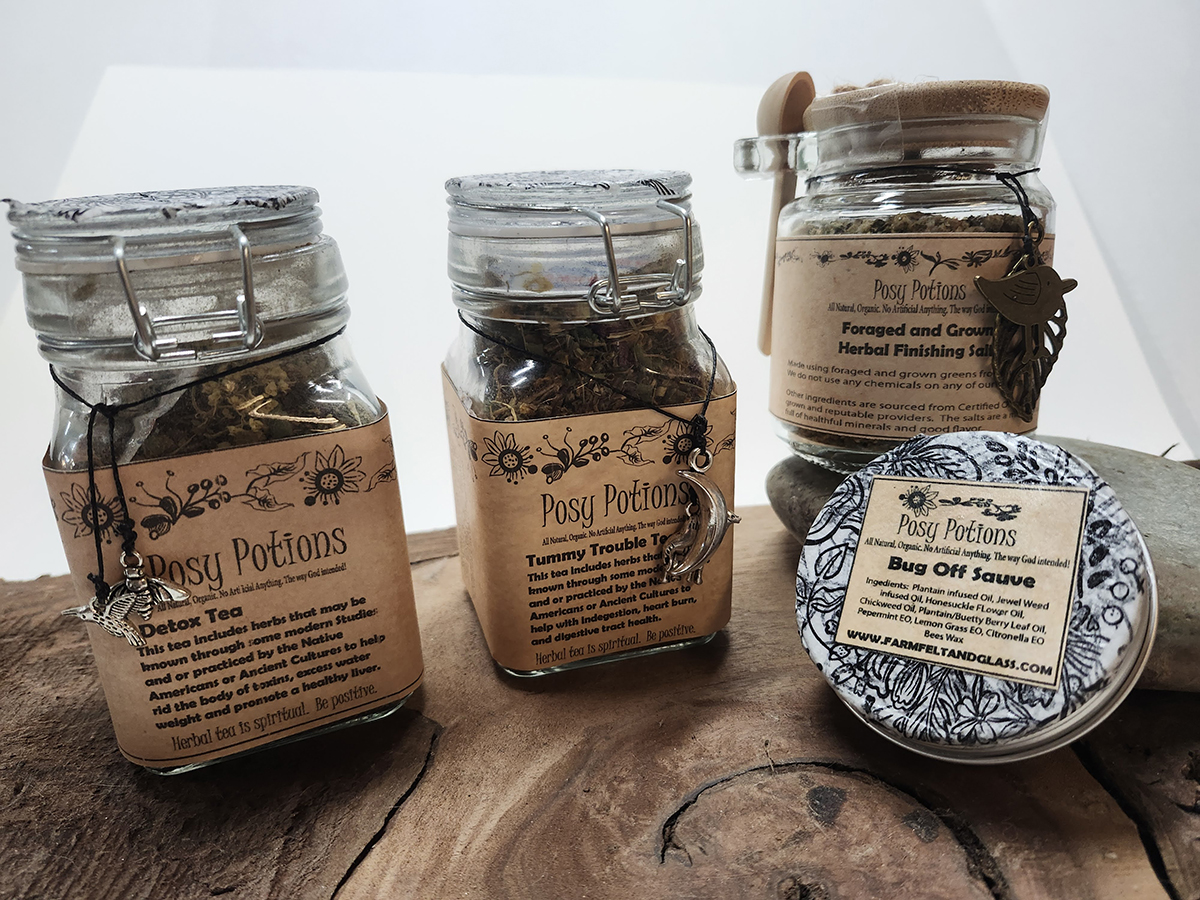
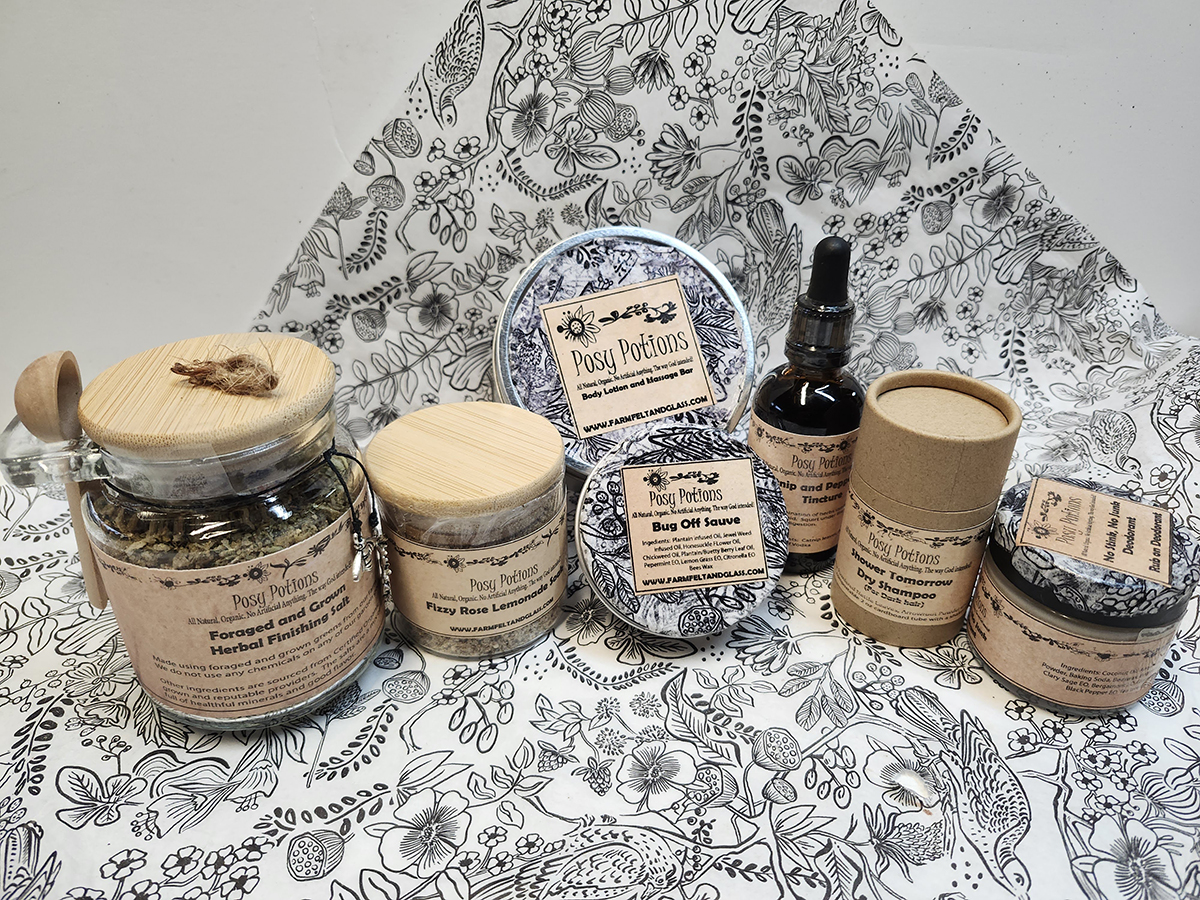
Common Chickweed is packed with not only vitamins but loads of minerals as well. Beta-Carotene, Calcium, Fiber, Iron, Magnesium, Niacin, Phosphorous as well as being high in Vit C and Zinc, wow, what a powerhouse!! Medicinally it is a demulcent (rich in mucilage and can soothe and protect irritable or inflamed internal tissue), Diuretic (helping to cleanse and detoxify), Expectorant (help the body deal with mucous, in Chickweed’s case it helps with a Dry Cough), Febrifuge (antipyretic, reducing or prevent fever), Inflammatory Modulator, Lymphagogue (promote lymphatic drainage, aiding in detoxifying and maintaining health of various body systems), Vulnerary (used to heal wounds and reduce inflammation either internally and/or externally). You can take in all Common Chickweed has to offer by using it as a fresh food (fresh greens, stir-fry or pesto), make a salve (I use chickweed infused oil in several of the salves I sell in our studio farm store), you can also use it in a Vinegar infusion, poultice, tincture or cream. I also use freeze dried Chickweed in some of my Teas (Posy Potion’s Detox Tea and Posy Potion’s Tummy Trouble Tea), as well as in a wonderful Finishing Salt (Posy Potion’s Foraged and Grown Finishing Salt) and our Bug Off Salve also sold in our studio farm store. Please see resources at the bottom of the page for additional information.
HARVEST
The best time to harvest Chickweed is anytime you can, as long as it has not gone to seed. Chickweed is a short lived annual that readily continues to reseed and replenish itself throughout the growing season, It prefers cool, moist and somewhat shady soil and can tolerate temperatures as low as 20 Fahrenheit. It usually begins to grow in Fall and is harvestable all Winter into Spring, dyeing back once the heat of Summer sets in.

Once temps reach about 40 degrees consistently it really takes off and you can find great clumps of it, making harvest easy. Use scissors to harvest, ‘giving it a haircut’, aiming for the top shoots. Flower and buds are also good to eat. Once it goes to seed, the stems and leaves can get stringy and tough, so harvest the younger more delicate shoots on the top (top 2 inches of the plant) for the tastiest of bits. Store and clean like any other salad green.
RECIPES
My favorite way to use Chickweed is as a fresh green. This is how you will get the most out of this nutritional powerhouse. It is a fabulous addition to other greens in a salad and is a great substitute for lettuce or even sprouts on sandwiches and in this case on our homemade Naan bread.
Sourdough, Kefir Naan Flat Bread
The dough is quick to make, but takes 8 to 12 hours to rise. It requires rolling each bread out and pan frying. This, I will admit, is a labor of love. I make triple batches at one time and freeze them to have months later. Just whip them out of the freezer and warm in the oven for a quick meal with homemade ‘good ‘for your gut’ bread. The slightly sour, bright taste and soft inside with crispy bits on the outside make for a super delicious sandwich alternative. Both Sourdough and

Kefir are fermented and very good for you gut! We will discuss Kefir another day, but it is amazing stuff that is worth learning about, especially if you have gut issues.
INGREDIENTS
1/4 cup of Sourdough Starter Discard
2 1/2 cups of All Purpose Four
1/2 Cup Kefir (can use milk, yogurt or combo as a sub)
1 Tbsp Olive Oil
1 1/2 tsp Sea Salt (or use our ‘Foraged and Grown Finishing Salt)
1 cup of Semolina Flour (Optional)

INSTRUCTIONS
Mix the Dough: Mix the wet ingredients in a large bowl. Add the flour and salt to the bowl. Hand mix until well combined and there are no dry clumps. The dough will be stiff. Cover the bowl with a dish towel and let rest at room temperature until it doubles in size. It may take 8 hours or up to 12 or more depending on the temperature of your kitchen.
Divide and Shape: pull small balls about 3 inches diameter out and shape into a ball. You can place the balls on a sheet pan covered with parchment paper and let them rest covered with a kitchen towel for 30 minuets. You can also refrigerate them at this point for up to 3 days. Always one to test breaking the rules, I have pulled the dough and rolled them out without letting them rise a second time and it has been fine, so if you miss this step, I don’t think it is a big deal. I have also refrigerated the dough in a big ball for several days before finding the time to roll it out and it was fine. Suffice to say, don’t fret this part. Do what works best for you with the time you have. Note: I like to use Semolina Flour (Corsley milled wheat) to roll out the dough. It gives it that hardy feel.
Roll and Fry: A cast iron pan works very well for this. I use Coconut Oil and let it get hot in the pan before laying the rolled out dough in the pan. Once you see some nice big bubbles, flip and cook the other side. After each Naan be sure to wipe the cast iron pan with a paper towel to rid the pan of extra flour which can burn and cause issues. I don’t try to roll out perfect shaped Naan, I just try to get them thin (about 1/8 inch) and shake as much flour off as possible by patting them between my hands. I usually roll out 4 or five before getting the pan hot. Once the pans hot with the oil, its ready, so be sure you have a stack ready, so you can keep up, roll, clean and cook.
Store: I freeze all my leftover Naan the same way I do Pancakes. Slip a piece of parchment paper between each Naan, stacking as many as needed in a plastic freezer bag. This way you can bring out one Naan at a time from the freezer as needed. To reheat, cover with tin foil and place in the toaster oven, reg oven or under broiler in oven. Once thawed and moist you can, place cheese of choice and return to oven uncovered until cheese is melted. Add Meat, greens and condiments of choice…dig in!

BAKED TURKISH SPICE INSPIRED LENTIL MEATBALLS
1 1/2 cups cooked Lentils
1/2 Red Onion – finely chopped
3/4 cup Bread Crumbs (can use gluten free, or if you’re me, you will use ground up Pork Rinds!)
1/4 cup fresh chopped Parsley
2 tbsp Tomato Paste
1 Egg
1/4 tsp Salt
Black Pepper to taste
1/2 tsp Oregano
1tsp Soy Sauce
Juice of 1 lemon
1/4 tsp Paprika
Toasted Spices – 1/4 tsp Cinnamon 1/2 tsp Cumin, 1/4 tsp Cardamon, I/2 tsp Corriader, 1/4 tsp Ginger, 1/2 tsp Gram Marsala, 1/2 tsp Red Flake Peper. Toasted on med heat for about 4 minutes, until fragrant. INSTRUCTIONS:
Preheat oven to 425 degrees. Add all meatball ingredients together in a food processor. Partially blend until combined but not purreed. You want to leave a little texture. Roll into 1.5 inch balls and place on a parchment lined sheet pan. Bake for 15 minutes, flip and bake another 15.
HORSERADISH VERDE SAUCE
1 cup Greek style Yogurt
3 tbsp of Prepared Horseradish
1/2 cup of steamed whole Peas (I always use fresh or frozen, never canned)
3 tbsp Fresh Cilantro
2 tbsp Fresh Lemon Juice (or to taste)
1 finally chopped Garlic Clove
1/2 tsp salt and black pepper to taste
INSTRUCTIONS
Add all ingredients together and blend with an emulsion blender until smooth and silky

SALSA MATCHA BIG MAMMA SAUCE
10 Dried Peppers of choice (There are many dried pepper options of different heat, make this sauce your own by choosing peppers that appeal to you. They are readily available at most grocery stores as well as your local South American grocery shops) I usually use a variety of low heat peppers like Ancho, Guajillo and De Arbol.
INGREDIENTS
3 HOT Dried Peppers of choice (The skinny red chili peppers are most common, but there are some super hot ones out there available to your taste.)
2 Garlic Cloves minced
1/2 cup of Pine Nuts (can use peanuts, but the pine nuts bring out a more chocolatey flavor similar to Mole)
1 tsp Coconut or Olive Oil
2 tbsp of Sesame Seeds
3tbsp of good quality aged Balsamic Vinegar
INSTRUCTIONS:
Soak all peppers in a bowl by pouring boiling water over them. I usually soak mine overnight to make sure they are good and soft. Strain and remove stems, veins and seeds once cool. Slice into smaller pieces and blend until almost liquid. Toast Pine Nuts, Sesame seeds and Garlic in oil for a few minutes until slightly browned and fragrant, stirring as needed not to burn and just brown. Mix all ingredients together and puree in a food processor. Enjoy as one of your favorite condiments.

PICKLED RED ONIONS
2 medium Red Onions
2 Cinnamon Sicks
6 whole Cloves
Pinch Crushed Red Pepper Flakes
1 Cup plus of Apple Cider Vineger
1/2 Cup of freshly squeeze Lime Juice
1/4 Cup of Sugar
1tbsp of Salt
INTRUCTIONS
Add sliced onions to a medium bowl. Pour enough boiling water over them to cover them. Count to 10 then drain. Add onions to glass canning jars. Toast the cinnamon (break the sticks in into 2-inch pieces), cloves and red pepper flakes in a small saucepan over med heat until fragrant (3 – 5 min). Whisk in the vinegar, lime juice and 1/4 cup of sugar and salt. Bring to a simmer and cook until the sugar and salt have dissolved (1 -2 min). Taste for sweetness, add more if needed. Pour the brine over the onions. Allow to stand at room temp until cooled. Cover and refrigerate for up to 3 weeks. Note: you may need to add more vinegar to cover the onions, depending on the size of your onions.
Build your street cred mutli-national meal and enjoy! Also, good cheese, is good on everything, so add a slice and toast your Naan and Meatballs before adding the condiments.
Note: All of these ingredients take a little time and love. You can make them over several days and then store them for three to four weeks in the refrigerator, (Naan and Lentil Balls for months in the freezer) and enjoy each ingredient in different ways on different meals, but together they make for a very memorable, superb meal. All hand made with LOVE!
LEARN MORE ABOUT HERBS, TAKE A FORAGING CLASS
Want to learn more about foraging for herbs and plants in the forest around you? Check out our new class offered this May. Foraging for First Aid and Survival, Saturday, May 3, 2025. For more information and registration, click here.
Resources:
We all learn from someone else or through experiencing things ourselves. I want to credit the following authors for their help and reference in my research to put this information together.
“Secrets of the Forest, Volume 1, The Magic and Mystery of Plants and Lore of Survival” by Mark Warren.
“Edible Wild Plants, Wild Foods from Dirt to Plate” by John Kallas, PHD
“Wild Remedies, how to forage healing foods and craft your own herbal medicine” by Rosalee De La Foret and Emily Han
“Southeast Foraging, 120 wild and flavorful edibles from angelica to wild plums” by Chris Bennett
“Edible Wild Plants, a North Amercian Field Guide to over 200 natural foods” by Thomas S. Elias & Peter A. Dykeman
“Plants of the Cherokee and Their Uses” by Hannah Dinkins of Western Carolina University
Also a shout out to my herb, cooking and Bee loving friend at THE HERB CRIB. A wonderful place to visit or take a workshop, while visiting the North Georgia Mountains.
Disclaimer: According to the FDA, herbs do not have enough or any proof of healing or medicinal properties, thus I am unable to make such claims. John D. Rockefeller ( Who with his friend Andrew Carnegie, also a robber baron, founded the AMA and funded many large medical schools that only teach Allopathic instead of Holistic Medicine), the FDA, the AMA and Big Pharma don’t want you to grow or forage your own medicine, there is just no profit in it. Have you ever noticed that the folks that worked at the FDA, then work at a big Pharma Co when they leave, or visa versa? It really makes you sick, literally!
ENJOY
Cheers and God Bless!
Check out our other recipes here.


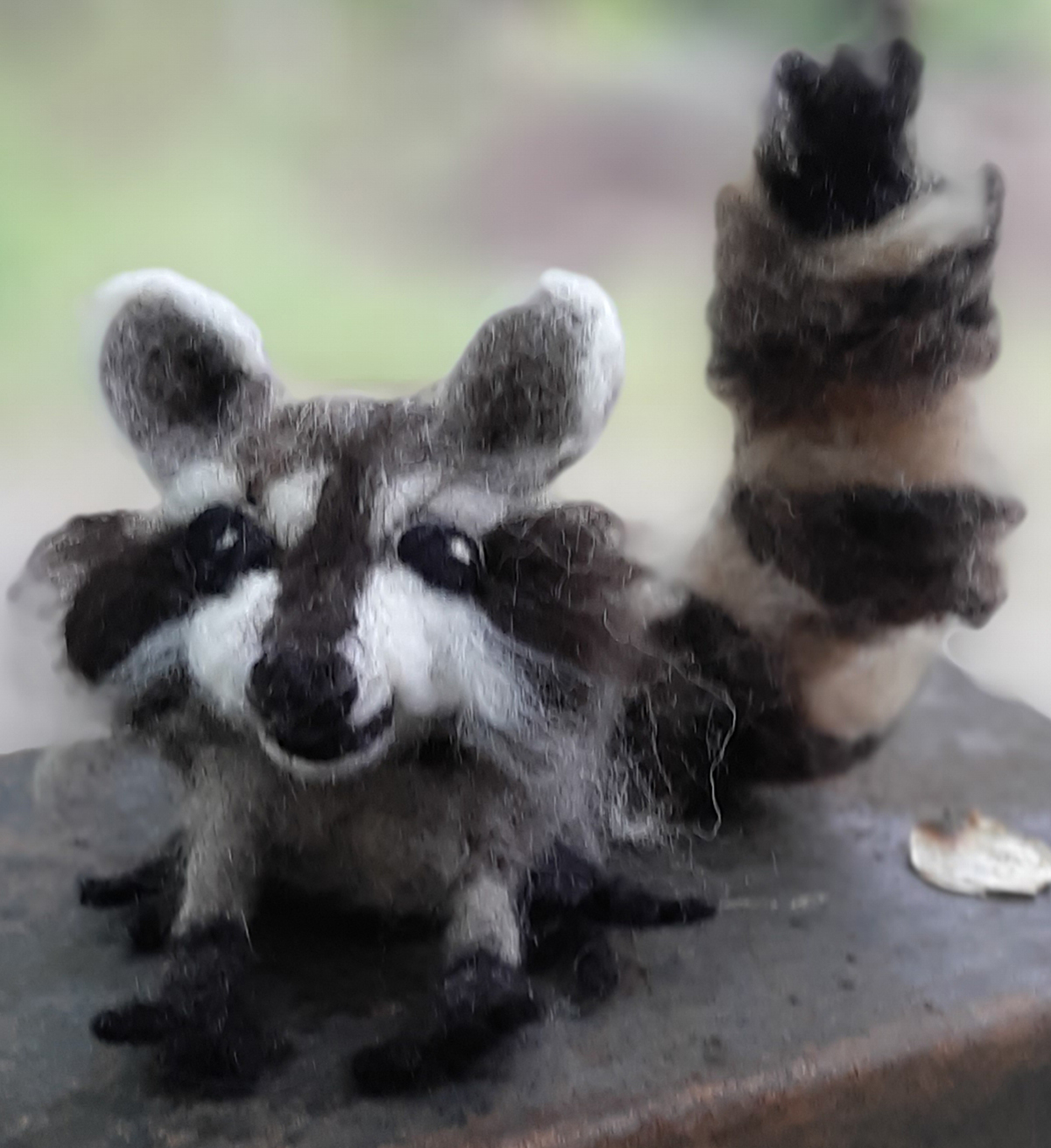


Needle Felted Opossum Class

Silk Scarf Dye Class

Patchwork Nuno Felted Scarf Class
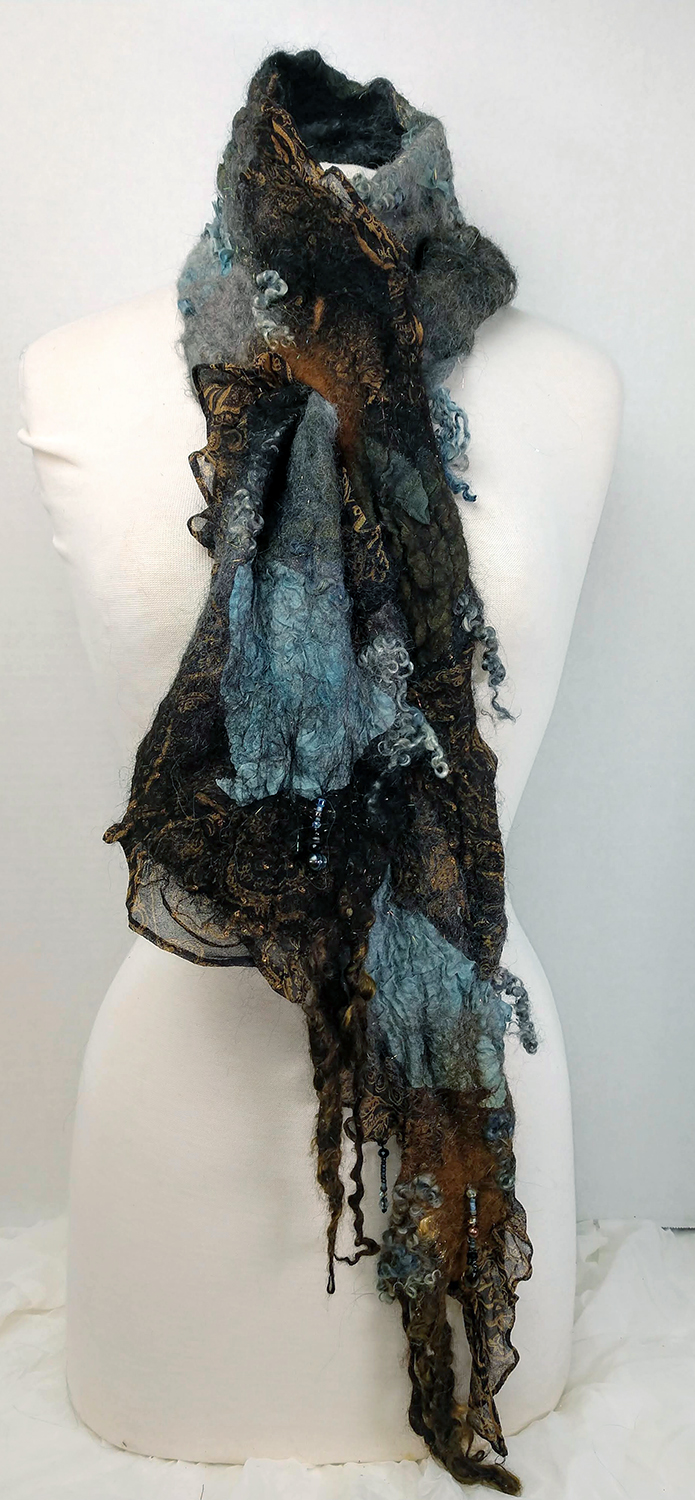
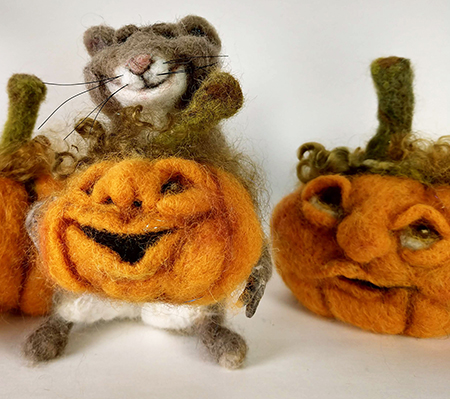
Needle Felted Mouse Class
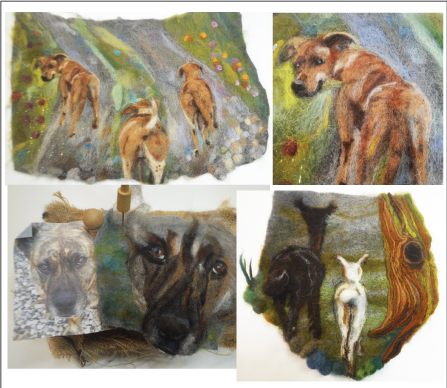
Paint with Fiber Class
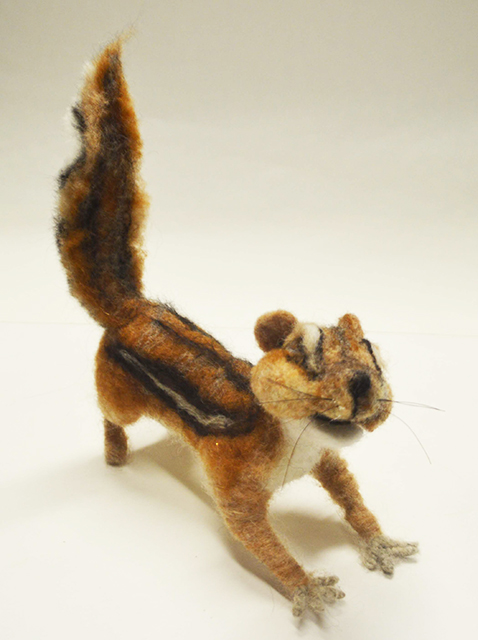
Needle Felted Chipmunk Class

Lots of Locks Skinny Felted Alpaca Class
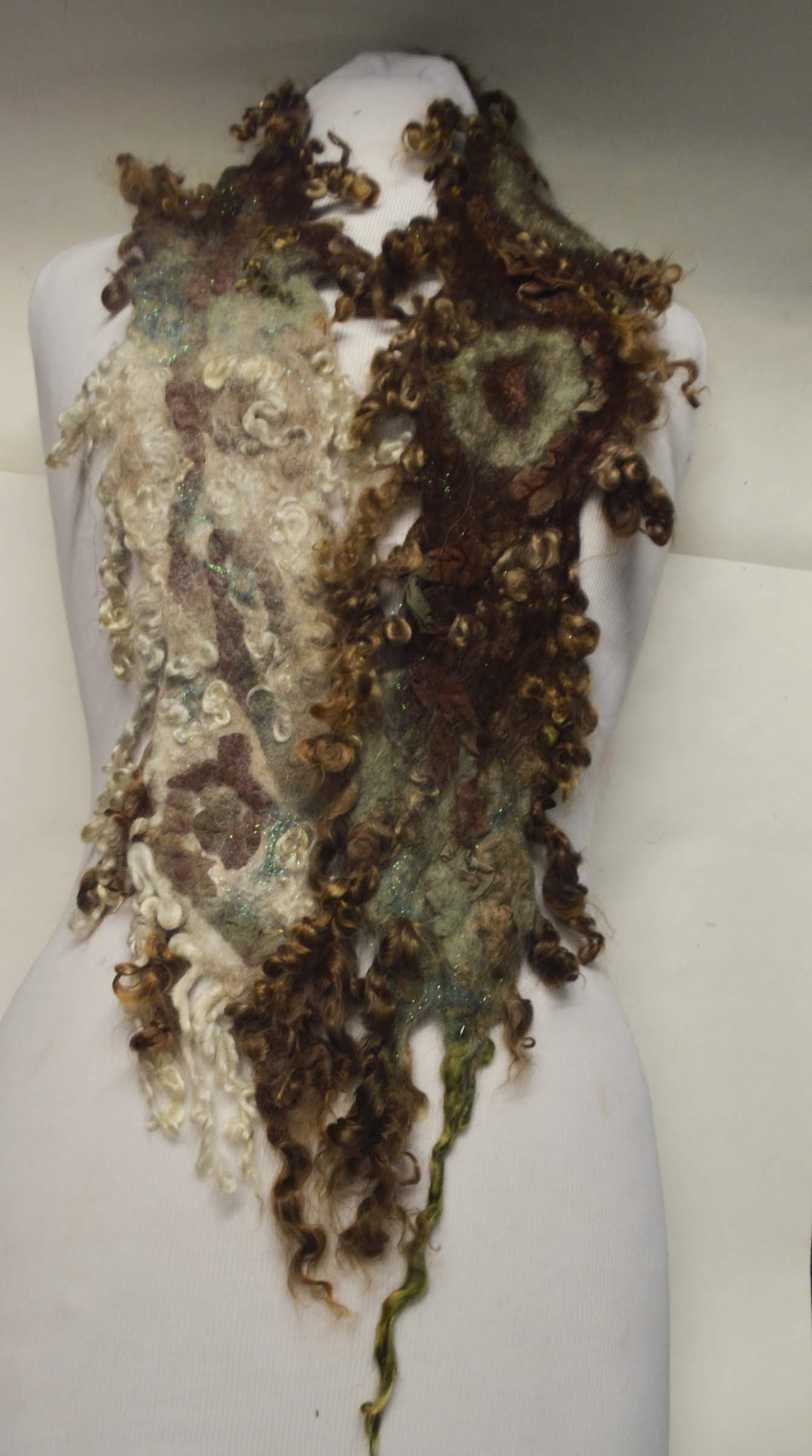
Nuno Felted Scarf Class
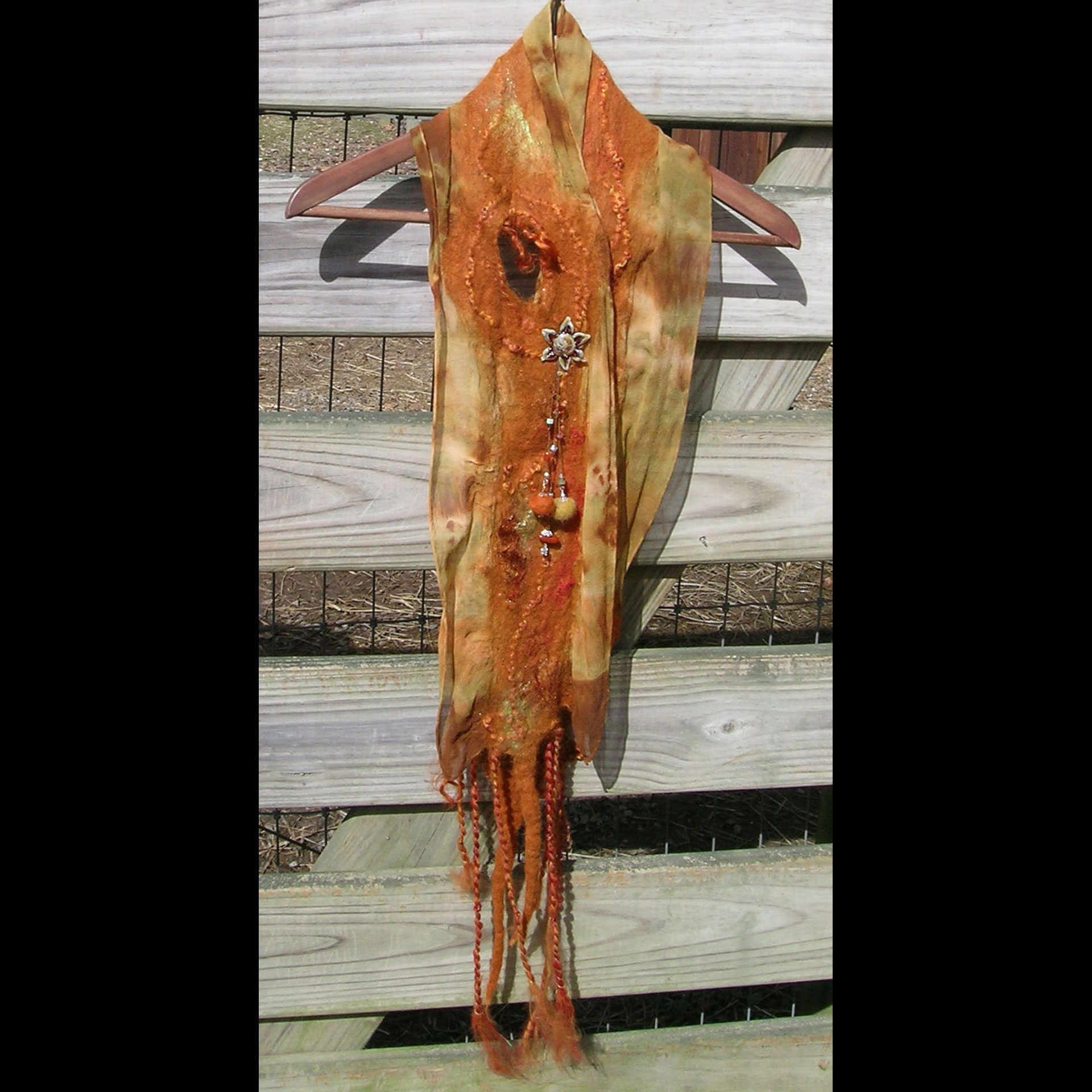
Nuno Felted Poncho and matching Wristlets Class

Needle Felted Mouse Class

Owl Bead Felted Necklace and Earring Class
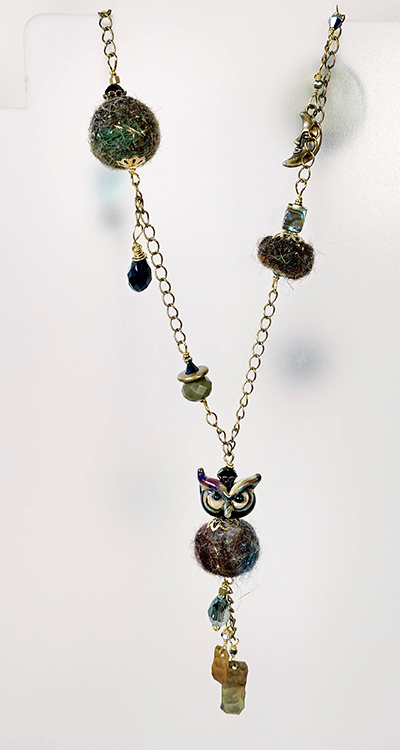
Needle Felted Long Eared Jerboa

Needle Felted Pumpkin Face Class
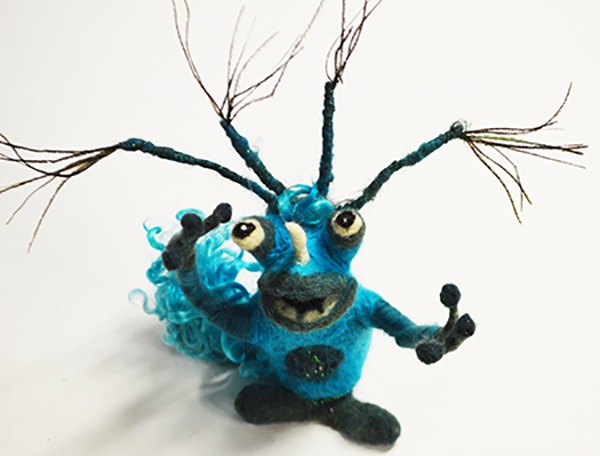
Needle Felted Space Monster Class
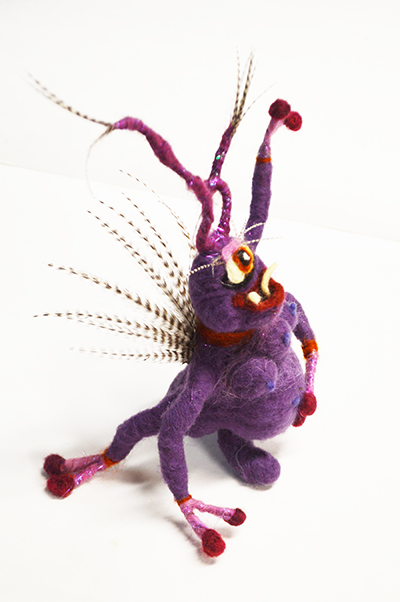
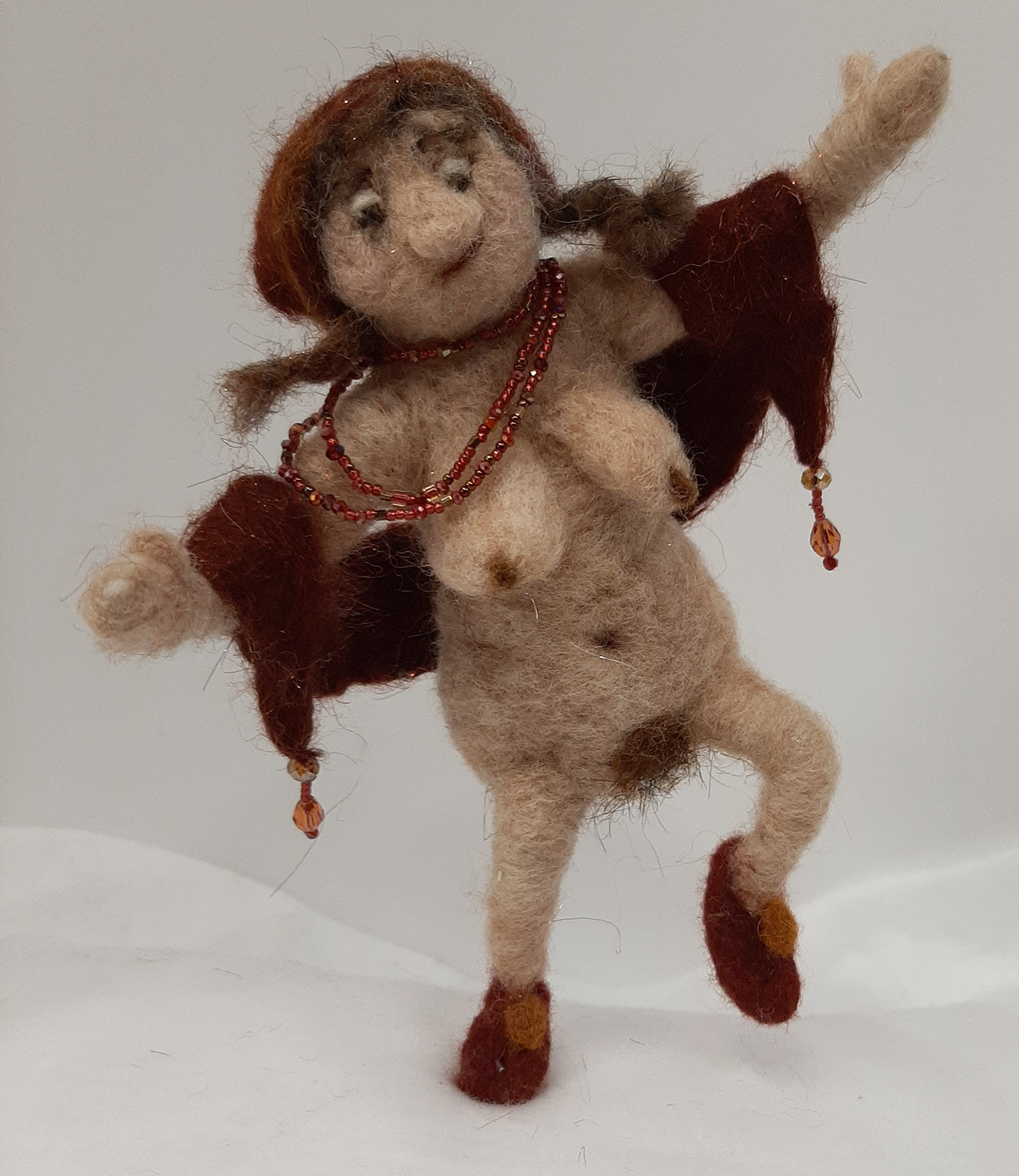
The Naked Truth, Needle Felted Figure Class

 Alpacas, Felting, Dyeing, Glass Beads, Gardening, Cooking, Herbals